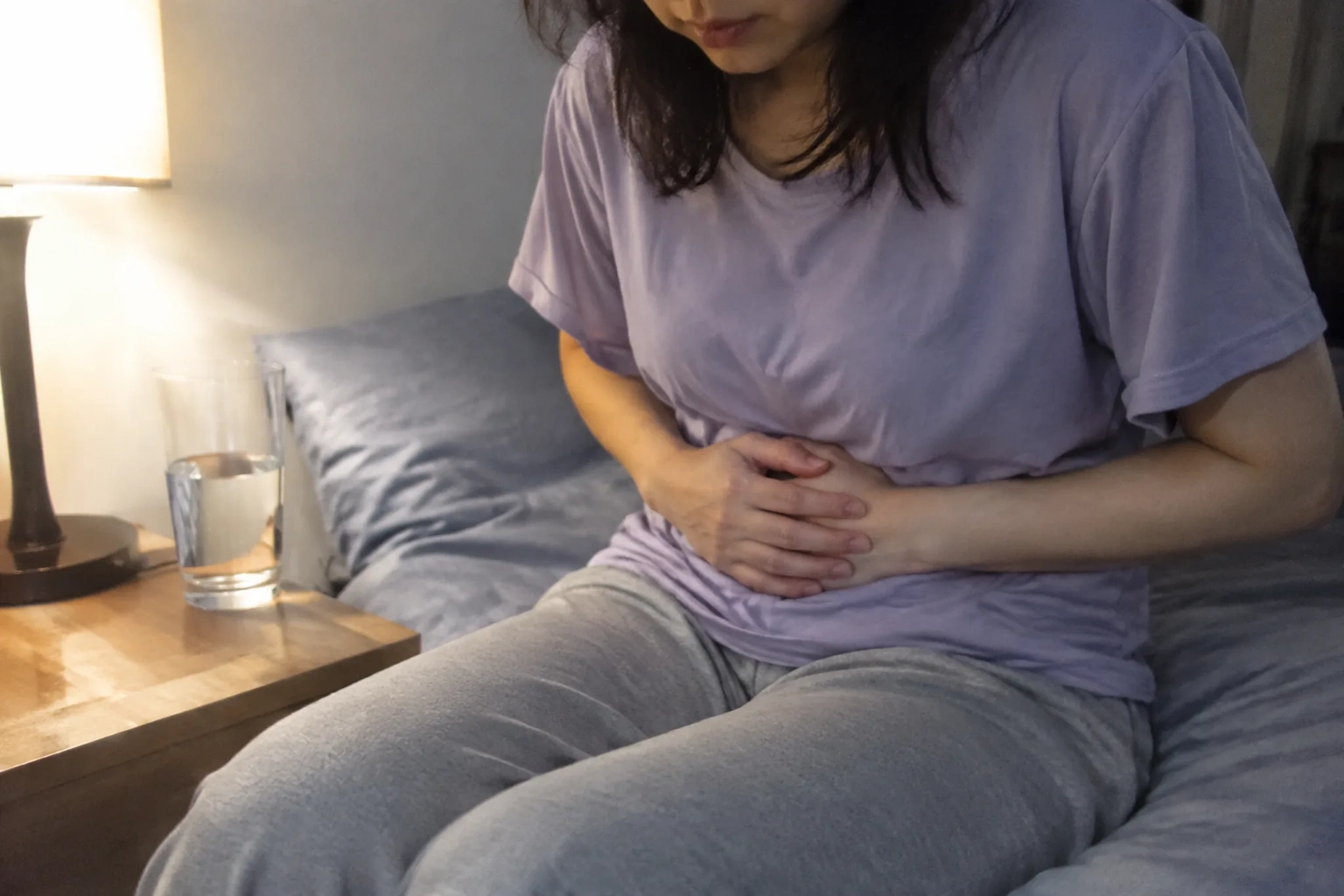
The Christmas dinner has ended. Plates are stacked, the good tablecloth has a stain, and a low, heavy fog has settled behind the ribs. The body, having spent its energy on digestion, sends its owner toward the nearest horizontal surface. This is the ordinary aftermath of a large meal, and it is not a moral failing or a sign of weakness. It is a physiological event, and it responds well to a handful of gentle interventions.
The instinct after a big meal is to do something dramatic. A long run, a cold plunge, a self-imposed fast until noon the next day. Most of these make the body feel worse. The stomach is working hard, and the last thing it needs is competition for blood flow or a sudden shock to the system. The useful moves are small, unglamorous, and almost boring. They work because they cooperate with digestion rather than fighting it.
Walking, But Slower Than Anyone Expects
The single best thing to do after a heavy meal is to walk. Not a power walk, not a hike, not a march around the block with a fitness tracker buzzing. A slow, aimless amble, the kind that has no destination and no pace. Ten to fifteen minutes is enough. Around the house, to the end of the street and back, around the garden if the weather permits.
Walking helps in two ways. It gently stimulates the muscles of the abdomen and the gut, encouraging the mechanical churning that moves food along. And it gives the mind something to do besides fixate on the growing discomfort. The pace matters more than the distance. If the walker arrives back at the door breathing hard, the pace was too fast. The target is a stroll that could be sustained for an hour without effort.
There is a reason the after-dinner walk is a cliche across so many cultures. The Italians call it the passeggiata, though that is usually before dinner. The British have the post-Sunday-lunch circuit around the neighborhood. These customs survived because they work. They are also social, which matters more than is often admitted. A walk with another person takes the attention off the stomach and puts it on conversation.
The Case Against Lying Flat Immediately
The couch is calling, and the couch is a trap. Lying flat within the first hour or two after a large meal invites heartburn. The stomach is full and acidic, and gravity is the only thing keeping that acid where it belongs. Reclining, even on the sofa with a cushion propped behind the head, can let it creep upward into the esophagus. The result is a burning sensation behind the breastbone that can last for hours and ruin sleep.
If rest is genuinely needed, the better position is upright and slightly reclined, perhaps in an armchair with a cushion, or on the sofa with the torso propped at an angle. Fifteen or twenty minutes in that position, with a book or the radio, is fine. The point is to keep the head above the stomach, not to lie flat. A short nap is not forbidden, but it should happen in a chair rather than a bed.
Some people find that a light stretch helps more than sitting. A gentle reach toward the ceiling, a slow twist of the torso from side to side, a few shoulder rolls. Nothing vigorous, nothing that involves bending deeply at the waist. The aim is to release the tension that builds in the diaphragm and lower back when a large meal pushes everything upward and outward.
Water, Tea, and the Temptation to Overcorrect
A big meal often leaves a person thirsty, particularly if the food was salty or rich. Water is the right answer, but in sips rather than gulps. Drinking a large volume of liquid quickly on top of a full stomach adds to the sense of bloating and pressure. A glass of water sipped over half an hour does more good than a pint downed in a minute.
Herbal tea is a pleasant ritual, and some blends, particularly peppermint and ginger, are traditionally used to settle the stomach. Peppermint has a mild antispasmodic reputation, and ginger has been used for nausea for centuries in many culinary traditions. Neither is a medicine, and neither will fix a genuinely upset stomach, but a warm cup is comforting and encourages slow sipping. Avoid strong coffee and alcohol, both of which can irritate the stomach lining and disturb sleep.
The temptation to overcorrect is strong. A person who has eaten too much may feel an urge to drink a large quantity of water, take a digestive supplement, or chew a handful of antacids. None of these is dangerous in moderation, but none is necessary for the ordinary heaviness that follows a big meal. The body is capable of managing the load. The role of the person is to stay out of the way.
Clothing That Allows the Belly to Expand
This is a small point that is often overlooked. Tight waistbands, stiff belts, and restrictive shapewear make the discomfort of a full stomach worse. They press on the abdomen and limit the natural expansion that digestion requires. The fix is simple: loosen the belt, unbutton the top button, change into something with an elastic waist if the evening allows it. A person who has eaten a large meal is not meant to look cinched.
There is a cultural habit of treating the loosened waistband as a mark of shame. It is nothing of the sort. The body is doing exactly what it should. A full stomach needs room, and clothing that respects that need makes the whole experience more comfortable. The same applies to shoes and socks. Feet swell after a large meal, particularly if the food was salty, and tight shoes become an irritant. Slippers are a reasonable upgrade for the evening.
The Slow Return to Normal Breathing
A full stomach pushes up against the diaphragm, which can make breathing feel shallower than usual. This is normal and temporary. A few minutes of deliberate, slow breathing can help. Sit upright, place a hand on the belly, and breathe in through the nose for a count of four, then out through the mouth for a count of six. Repeat ten times. The long exhale activates the parasympathetic nervous system, which is the branch responsible for rest and digestion.
This exercise is not a cure for anything. It is a way of signaling to the body that the meal is over and there is no emergency. The heaviness after a big meal is partly physical and partly mental. The mind registers the fullness and interprets it as a problem to be solved. Slow breathing interrupts that loop and lets the body settle into the work of digestion without the added burden of anxiety.
When the Discomfort Is More Than Fullness
Most post-meal heaviness passes within two or three hours. There are signs, though, that a person should pay attention to. Severe pain in the upper abdomen that does not ease, nausea that leads to vomiting, a feeling of tightness in the chest, or difficulty breathing that persists. These are not ordinary fullness, and they warrant medical attention. The same is true of heartburn that does not respond to sitting upright or that comes with a sour taste and a persistent cough.
This is not a reason to panic after every big meal. It is a reason to know the difference between discomfort and something more serious. The body is generally reliable, and its signals are worth listening to. A person who feels genuinely unwell after eating, rather than simply full, should seek advice rather than tough it out.
The Next Morning and the Question of Breakfast
Waking up after a large meal often brings a surprise: hunger. The body has processed the food overnight, and the stomach is empty again. Some people feel queasy and cannot face food. Others feel ravenous. Both are normal. The useful approach is to eat something light and plain, rather than to skip breakfast entirely or to load up again. A bowl of porridge, a slice of toast, a piece of fruit, a yogurt. Nothing heavy, nothing greasy.
The question of fasting until lunch is a common one. There is no harm in a light breakfast, and there is no particular benefit to skipping it. The body has spent the night digesting, and it appreciates a gentle start. A large glass of water on waking is a good idea, particularly if the previous meal was salty. The goal is to return to the ordinary rhythm of eating, not to punish the body for the excess of the day before.
The day after a big meal is also a good time for another slow walk. The same principles apply: gentle movement, fresh air, no urgency. A twenty-minute stroll before breakfast or after lunch helps the gut resume its normal rhythm and clears the head. It is a small thing, and it works.
The Peculiar Comfort of a Warm Compress
One of the oldest and least discussed remedies for post-meal discomfort is warmth applied to the abdomen. A hot water bottle wrapped in a tea towel, a warm compress, or a heated pad set to low, resting on the belly for fifteen or twenty minutes. The heat relaxes the abdominal muscles, which often tense up around a full stomach, and it increases blood flow to the area. The effect is soothing rather than curative, but soothing is worth something.
This remedy works best in the evening, when the meal is over and the body is winding down. It pairs well with a book, a low lamp, and the absence of screens. The combination of warmth, stillness, and quiet is a gentle way to close out a day that included a large meal. It is not a treatment for anything, and it does not need to be. It is comfort, offered simply.
The body will do the work of digestion regardless of what the person does. The most useful interventions are the ones that make that work easier: a slow walk, an upright chair, a loosened belt, a warm compress, a glass of water sipped slowly. These are not cures. They are small kindnesses, offered to a body that has just done something demanding. The meal was a pleasure. The aftermath can be gentle, too.