







Cardiologists keep saying the same thing at dinner parties, and it rarely involves giving up butter. The instruction that actually shows up in the literature is duller and harder: eat more plants, choose fats that come from whole foods, and keep the salt shaker from doing the cooking. What gets lost in the translation to the plate is that none of this requires blandness. A heart-friendly plate can be loud, sour, spicy, and rich. It just has to be built with a different set of levers.
The levers matter more than the rules. Most people trying to eat for their heart start by subtracting: less salt, less fat, less red meat. Subtraction produces sad food. A smarter approach swaps the source of flavor rather than the amount. Acid, heat, aromatics, umami from mushrooms and tomatoes, and fat from olive oil and nuts can carry a dish that would otherwise taste like a punishment.
Salt Is a Habit, Acid Is a Tool
Home cooks underuse acid. A squeeze of lemon at the end of a braise, a splash of vinegar in a soup, a spoon of yogurt on a roasted vegetable: these do the work salt was doing, and they do it with more complexity. Salt suppresses bitterness and amplifies everything. Acid cuts through fat and wakes up flat flavors. When a dish tastes like it is missing something, the missing thing is often not salt but brightness.
There is a practical order to this. Salt early, when it can penetrate. Acid late, when it can stay sharp. A pot of beans salted at the start and finished with vinegar tastes seasoned. The same pot salted only at the end tastes salty. The difference is real and it takes no extra effort.
The Fat Question Has a Boring Answer
Olive oil is the most studied fat in the world and the evidence around it is unusually consistent: diets built on it, alongside vegetables and legumes, track with better cardiovascular outcomes. That does not mean a person should drink it from a glass. It means the fat on the plate should mostly come from plants, and it should be enough to make the food taste good.
A roasted tray of vegetables needs more oil than most recipes admit. Too little and the vegetables steam and slump. Enough and they caramelize at the edges, which is where the flavor lives. Two tablespoons on a sheet pan of cauliflower is not indulgence; it is the difference between a side dish someone eats and a side dish someone ignores.
Nuts and seeds do similar work with texture. Toasted almonds on a salad, pumpkin seeds on a bowl of lentils, a spoon of tahini stirred into a dressing. These are small additions that make a plate feel finished rather than assembled in a hurry.
Beans Deserve the Center of the Plate
The single most effective move for a heart-friendly kitchen is to make beans and lentils the main event two or three nights a week. They are cheap, they store forever, and they take on whatever flavor is thrown at them. The obstacle is texture. Beans cooked badly are mealy and dull. Beans cooked well have a creamy interior and a skin that holds together.
A pot of white beans simmered with a whole head of garlic, a bay leaf, and a parmesan rind, then finished with olive oil and lemon, is a meal. It costs less than a chicken. It reheats better. And it satisfies in a way that a salad rarely does, because it has body and fat and salt and acid all at once.
The canned version works too, with one adjustment: rinse them. The liquid in the can is salty and starchy, and rinsing removes both. Then treat the beans as a blank canvas. Fry them in olive oil until they blister. Toss them with cumin and smoked paprika. Mash them into a toast topping with lemon and chili.
Fish Twice a Week, and Not the Expensive Kind
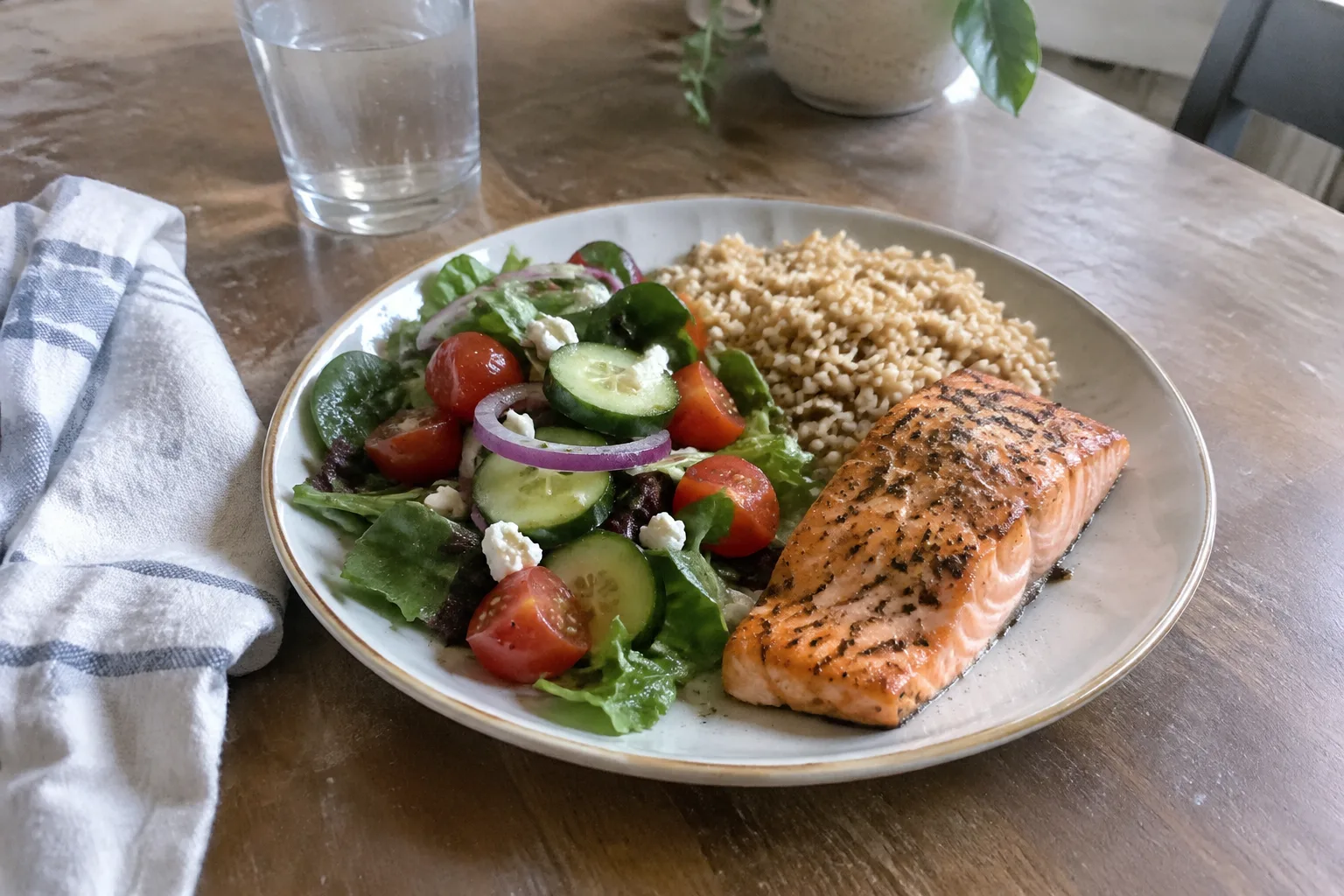
Oily fish carries omega-3 fats, and public health guidance in most countries recommends it a couple of times a week. The problem is that the fish people actually buy is often the breaded, fried, or heavily salted kind. A fillet of salmon roasted at 200 degrees Celsius for twelve minutes, skin side down, needs nothing but salt, pepper, and a lemon wedge. It is faster than ordering takeout.
Canned sardines and mackerel are the underrated option. They are cheap, they keep for years, and they are already cooked. Mashed onto toast with mustard and a little olive oil, they make a lunch that costs less than a coffee and does more for the body than most deli sandwiches.
The Salt Problem Is Mostly a Processing Problem
Most of the sodium in a typical diet does not come from the shaker on the table. It comes from bread, cheese, cured meat, canned soup, and restaurant food. A person can cook every meal at home with a restrained hand on the salt and still take in more sodium than intended because the ingredients were already loaded.
The fix is to read labels on the staples that get eaten every day: bread, stock, canned tomatoes, cheese. A loaf with 400 milligrams of sodium per slice is a different food from one with 120. Switching brands is easier than switching diets. And a homemade vinaigrette, made with olive oil, vinegar, mustard, and a pinch of salt, contains a fraction of what a bottled dressing carries.
Heat and Aromatics Do the Work Salt Used To
Chili flakes, black pepper, smoked paprika, cumin, ginger, garlic, and citrus zest all create the impression of richness without adding sodium or saturated fat. A pot of lentils with garlic, cumin, and a dried chili tastes deeper than the same pot with twice the salt. The tongue perceives complexity and reads it as satisfaction.
There is a technique worth stealing from restaurant kitchens: bloom the spices in oil. Ground cumin and paprika dropped into warm olive oil for thirty seconds release fat-soluble compounds that water cannot extract. The difference between spices added at the start and spices bloomed in oil is the difference between dusty and perfumed.
A Weeknight Plate That Actually Works
Picture a bowl: farro cooked in unsalted water, tossed while warm with roasted cherry tomatoes that have collapsed in a hot oven, a can of chickpeas fried until crisp, a handful of chopped parsley, a drizzle of olive oil, and a squeeze of lemon. Salt goes in sparingly, mostly on the tomatoes before they roast. The whole thing takes thirty-five minutes and costs about the same as a fast-food meal.
That bowl is not a compromise. It is a good dinner. The tomatoes bring acid and sweetness, the chickpeas bring protein and crunch, the farro brings chew, the parsley brings freshness, and the olive oil ties it together. Nobody at the table would describe it as health food, which is precisely the point.
What to Keep in the Pantry
A heart-friendly kitchen is stocked, not restricted. Canned beans, canned tomatoes, olive oil, vinegar, mustard, tahini, nuts, oats, frozen vegetables, sardines, whole grains, garlic, onions, and a spice rack that gets used. With those on hand, a good meal is always twenty minutes away, and the temptation to order something salty and heavy drops.
The pantry is where the diet actually lives. Willpower fails at 7 p.m. on a Tuesday. A full shelf does not. When the fastest option in the house is also the best one, the choice stops being a choice.
The Butter Question, Answered Plainly
Butter is not poison. It is a saturated fat, and saturated fat raises LDL cholesterol in most people, which is why guidelines suggest keeping it modest. A pat on a baked potato or a knob in a pan of mushrooms is fine. The trouble comes when butter is the base of every dish, every night, in every sauce.
A practical rule: cook with olive oil, finish with butter when it matters. A steak, a piece of fish, a bowl of polenta. The butter goes on at the end, where its flavor is still intact, rather than in the pan at the start, where much of it burns off or gets absorbed without being tasted. This is a small change that preserves both flavor and the point of the exercise.
The Plate That Gets Eaten Again Tomorrow
The test of any eating plan is not what happens in the first week. It is what happens in the fourth month, when the novelty has worn off and the leftovers are in the fridge. A heart-friendly plate survives that test when it is built on food a person actually wants to eat twice. Lentils with cumin and lemon. Roasted vegetables with enough oil to caramelize. Fish with a crisp skin. Beans with garlic and olive oil.
None of this requires a new identity or a shelf of supplements. It requires a cook who is willing to taste as they go, reach for the vinegar before the salt, and trust that a plate with color and acid and heat will be eaten to the end. The heart, it turns out, does not need a special diet. It needs a good one, eaten often.





















