







Recovery has a reputation problem. It sounds like something that happens to a person, a passive lull between effort and the next effort, best handled with a couch and a vague sense of virtue. The physiology says otherwise. The body does most of its repair work on a schedule, and the small behaviors that surround a hard session do more to set that schedule than any single supplement or gadget. The steps are unglamorous, cheap, and easy to skip precisely because they are boring. That boring quality is the point.
Cooling down belongs to that category of habit that people either overthink or ignore entirely. The overthinkers buy compression boots and cold plunges. The ignorers climb off a bike or out of a pool and sit down. Both groups would get more from five minutes of easy movement and a glass of water than from almost anything sold on the internet.
What a cooldown actually does for the body
The cardiovascular system is the clearest case. During hard effort, blood vessels in working muscles dilate and the heart pumps at a high rate. Stopping abruptly leaves that circulation in a wide-open state while the pump slows. Some people feel lightheaded or nauseated when they do it, a sensation that has less to do with fitness than with blood pooling in the legs. A few minutes of easy pedaling or walking keeps the return flow moving and lets the system step down gradually.
Beyond that, the evidence for cooldowns is modest and often oversold. Stretching after exercise does not reliably prevent soreness. Static stretching held for long periods before activity can slightly reduce power output, which is one reason the old gym-class ritual of touching toes before sprinting has fallen out of favor. The realistic claim is narrower: gentle movement aids the transition out of effort, and it gives a person a few minutes to notice what hurts.
That noticing matters. A twinge in a hamstring after a run is information. A shoulder that feels hot and tight after a swim is information. The cooldown is the window in which that information arrives, before a shower and a meal blur it. Most overuse injuries announce themselves in small ways first, and the people who catch them early are usually the ones who built in a few quiet minutes to pay attention.
The five minute version that most people can actually keep
A workable cooldown does not need a protocol. Three to five minutes of easy movement at the end of a session, just enough to bring breathing back toward normal, covers the cardiovascular transition. Walking after a run, spinning in a low gear after a hard ride, or swimming a slow lap does the job. The intensity should feel almost embarrassingly low. If the cooldown itself requires effort, it has become another workout.
After that, a minute or two of gentle range-of-motion work helps. Slow leg swings, shoulder circles, an unhurried reach toward the toes. Nothing held at the edge of discomfort, nothing bouncing. The goal is to move joints through their available range while the tissue is warm, not to chase a new personal record in flexibility.
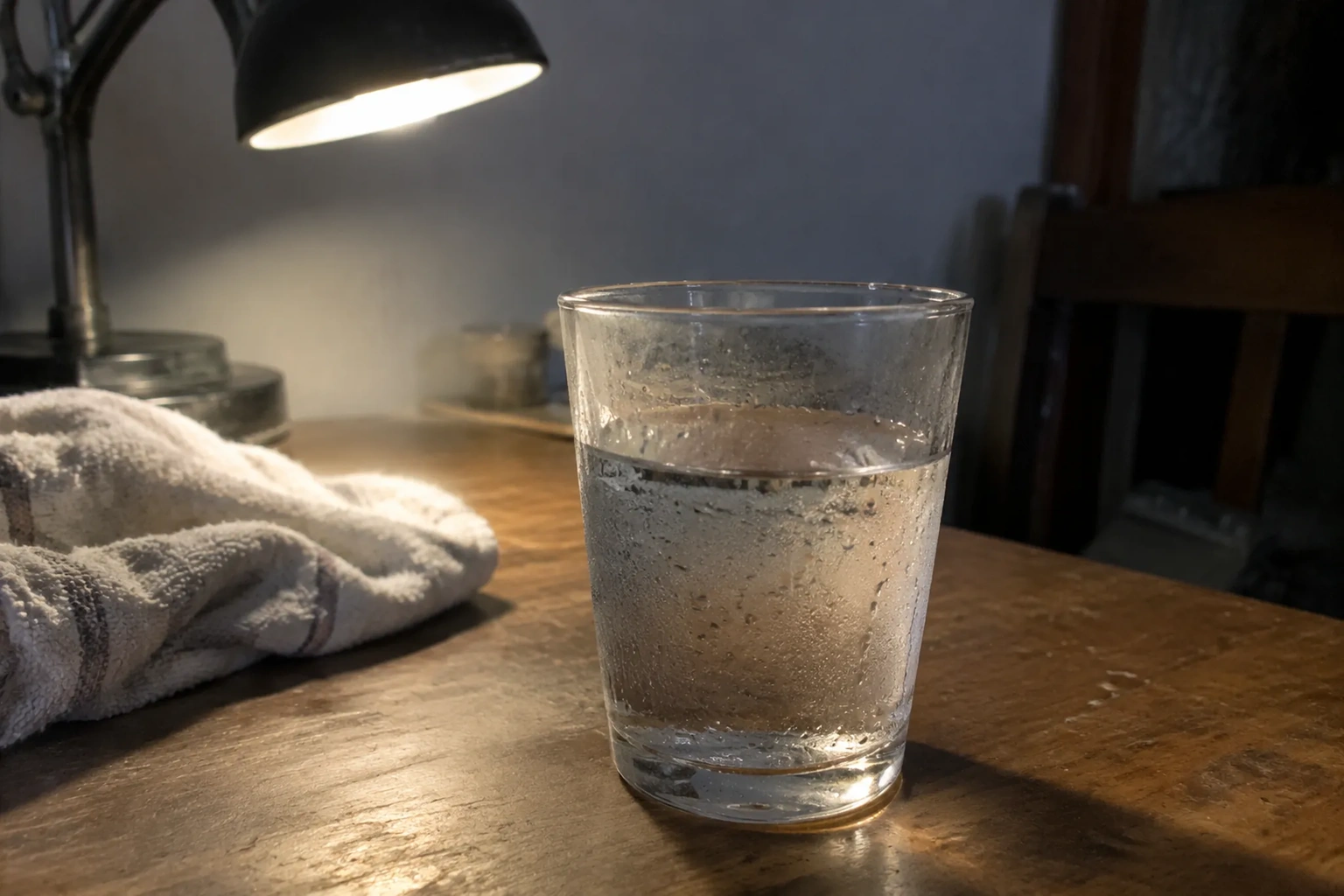
Hydration fits here too, though it starts before the session. A person who finishes a hard hour in summer heat and drinks nothing until dinner has spent the afternoon in a deficit. Water with a little salt, or a sports drink if the session was long and sweaty, restores what was lost faster than plain water alone. The exact amount matters less than the habit of drinking before thirst becomes urgent.
Sleep is the part nobody can shortcut
If cooldowns are the modest end of recovery, sleep is the load-bearing wall. Growth hormone release, tissue repair, and the consolidation of motor learning all cluster in deep sleep. A person who trains hard and sleeps five hours is pouring water into a bucket with a hole in it. No amount of stretching, foam rolling, or tart cherry juice compensates.
The practical version is unglamorous: a consistent bedtime, a dark room, and a screen put away twenty minutes before lights out. Athletes who track sleep often find that the single biggest recovery gain available to them is simply going to bed half an hour earlier. It costs nothing and it works better than most of what gets marketed.
Food timing after a hard session
The window for refueling is wider than the old gym lore suggested. A meal within a couple of hours of finishing covers most of what the body needs: some protein to rebuild, some carbohydrate to replace what was burned. Chocolate milk has become a cliché for good reason, since it delivers both in roughly the right ratio and tastes like a reward.
What matters more than the precise timing is the overall pattern across the day. Someone who trains in the morning and eats a normal lunch and dinner will refuel fine. Someone who trains hard and then skips meals because of a busy afternoon will feel it the next day, in sluggish legs and a flat mood. Recovery is a daily budget, and the post workout meal is one deposit among several.
Why cold plunges and compression boots are optional
The recovery industry has grown loud. Ice baths, pneumatic compression sleeves, red light panels, and vibrating foam rollers all promise faster turnaround. Some have modest evidence behind them, particularly cold water immersion for reducing perceived soreness after very hard efforts. None of them replace sleep, food, and easy movement, and several of them cost more than a year of gym membership.
There is a reasonable case for a cold plunge after a brutal competition, when the goal is to feel functional again quickly. There is a weaker case for making it a daily ritual. Frequent cold exposure may blunt some of the training adaptations the body is trying to build, which is a strange trade for someone chasing long-term fitness. The tools are fine. Treating them as the foundation is where the logic slips.
Active recovery days that do not become training days
The day after a hard session is where good intentions go wrong. A planned easy jog turns into a moderate one. A gentle swim becomes a set of sprints. The line between recovery and training erodes because easy effort feels unsatisfying to people who are used to pushing.
The fix is to schedule recovery with the same specificity as a workout. A walk with a friend. A yoga class that is genuinely slow. A bike ride with a destination, a coffee shop or a market, where the pace is set by conversation rather than a heart rate target. Recovery days work best when they have a purpose other than recovery, because then the ego has nothing to prove.
The mental side of stepping off the gas
Many people find rest harder than training. The identity of being someone who works out daily is a sturdy one, and a rest day can feel like a small betrayal of it. The discomfort is real and worth naming. It usually shows up as restlessness, a nagging sense of laziness, or the urge to squeeze in a quick session just to feel normal.
Reframing helps. A rest day is part of the training plan, not a gap in it. The adaptations that make a person faster or stronger happen during recovery, not during the session itself. The session is the stimulus. The rest is where the body cashes the check. People who understand that stop treating rest as a reward for good behavior and start treating it as a component of the work.
Small signals that a cooldown is working
The feedback is subtle but real. Breathing settles within a few minutes. The skin stops feeling hot and flushed. The legs feel less like concrete and more like legs. Sleep comes a little easier that night. The next morning, the soreness is present but manageable rather than crippling.
When those signals are missing, the answer is usually not a new gadget. It is more sleep, more food, or less training volume. The body is honest about its budget, and the small steps around a session are how a person reads the balance. A cooldown is a conversation with the body, held at low volume, and it is worth showing up for.





















