







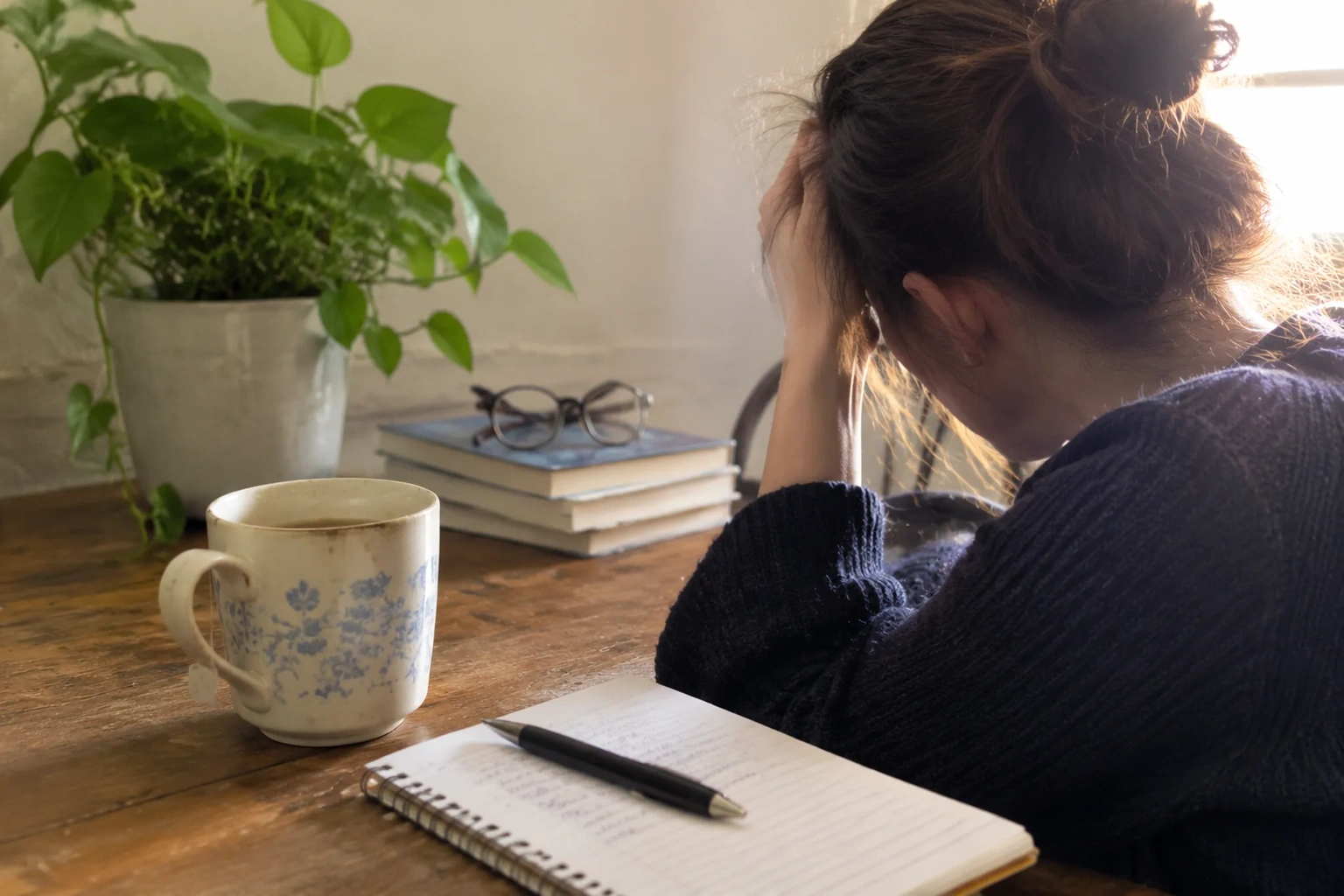
Stress relief advice tends to arrive in one of two flavors: the spa weekend that costs more than a car payment, or the breathing exercise that asks a person to close their eyes in the middle of a workday and ignore the forty unread emails. Both have their place. Neither fits into an ordinary Tuesday. The habits that actually survive contact with real life are smaller, stranger, and far less photogenic than the wellness industry would have anyone believe.
The premise here is simple: stress relief works best when it attaches itself to something a person already does, rather than demanding a new slot in the calendar. A habit that requires a special mat, a quiet room, and twenty uninterrupted minutes is a habit that will be abandoned by Thursday. A habit that piggybacks on the walk to the bus stop has a fighting chance.
What follows is a set of practices that meet that bar. They are unglamorous. Most take under five minutes. A few will sound almost too minor to matter, which is precisely the point.
The physiological sigh, done badly on purpose
Breathing techniques have a reputation problem: they are taught with such reverence that they feel like a performance. The physiological sigh, a double inhale through the nose followed by a long exhale through the mouth, is the exception worth keeping. It is the body's own reset mechanism, the thing a person does unconsciously after a crying jag or a near miss in traffic.
The trick is to practice it badly. Two quick sniffs in, one slow leak out, shoulders allowed to slump. Doing it in a parked car before walking into a building, or at a desk between meetings, takes about fifteen seconds. Nobody notices. That invisibility is the feature that keeps it alive. A technique that can be deployed in a dentist's waiting room without drawing a glance is a technique that gets used.
The exhale matters more than the inhale. A long, slow release of air nudges the nervous system toward a calmer state; the science here is general and well established, not a miracle cure. One round is fine. Two is better. A person who tries to do ten will get bored and quit, and boredom is the enemy of every habit on this list.
The two-minute tidy of a single surface
Clutter is a low-grade stressor that operates below conscious awareness. The pile of mail on the counter, the tangle of cables by the outlet, the mugs migrating across the desk: none of these is a crisis, and all of them send a small signal that something is unfinished. The cumulative effect is a background hum of unease.
The fix is not a whole-house overhaul. It is a two-minute sweep of one horizontal surface, chosen at random. The kitchen counter. The nightstand. The passenger seat of the car. The rule is that the surface must be cleared completely, and the timer stops at two minutes regardless of what remains.
This works for a reason that has little to do with tidiness. It gives the nervous system a small, complete win. Stress often comes from a sense of tasks that never end; a finished surface, however modest, is a task with an edge. The effect is disproportionate to the effort, which is exactly what a real-life habit needs to be.
Walking without a destination for ten minutes
Exercise is the most reliably effective stress intervention available, and it is also the one most often ruined by ambition. The gym membership, the training plan, the expectation of a proper workout: all of it raises the bar until a person does nothing at all. The alternative is a ten-minute walk with no pace target and no route in mind.
Ten minutes is short enough to fit into a lunch break or the gap between school pickup and dinner. The lack of a destination matters more than the duration. A walk with a purpose is a commute. A walk without one gives the mind room to wander, and wandering is where a lot of stuck thoughts finally loosen.
Weather is not a disqualifier. A person who walks in the rain once discovers that the discomfort is mild and the streets are empty, which is its own reward. The habit survives because it has no gear requirement beyond shoes and no performance standard beyond leaving the building.
The phone parked in another room during meals
The single most common source of ambient stress in modern life is a small rectangle that delivers bad news on a schedule nobody chose. The phone is not evil, and the research on screen time is messier than the headlines suggest, but the device's presence at a dinner table is a near-guaranteed interruption of the one activity most likely to restore a person's mood.
The habit is not a digital detox. It is a physical relocation: the phone goes to another room, face down, for the length of one meal a day. Not every meal. One. The barrier of having to stand up and walk to retrieve it is enough to break most reflexive checking, and the meal itself becomes a different experience, slower and more conversational.
There is a secondary benefit that surprises people: the first ten minutes away from the phone feel itchy, and the next twenty feel like relief. The itch is the habit; the relief is the reward. Repeated often enough, the brain starts to associate the absence of the device with calm rather than anxiety.
Naming the feeling out loud, once
Most stress is vague until it is named. A person carries around a fog of "bad day" without ever specifying what is wrong, and the fog grows because it has no shape. The practice of naming the feeling, out loud or in a single line of a notebook, is one of the cheapest interventions available.
The naming has to be specific. "Stressed" is useless. "I am worried about the deadline on Thursday and I am annoyed at my brother" is useful, because it separates two problems that were fusing into one. Specificity turns a mood into a list, and a list can be worked on. The act of labeling an emotion also tends to reduce its intensity, a general finding that holds up across a lot of ordinary experience.
One sentence is enough. The notebook can be a scrap of paper, a note on the phone, or a sentence said to a partner in the kitchen. The point is to move the feeling from the body, where it sits as tension, into language, where it can be examined and often shrunk.
A hard stop at the end of the workday
For anyone whose job follows them home through a laptop or a phone, the workday has no natural edge. It bleeds into the evening, and the bleed itself is a stressor, because the mind never gets the signal that it is off duty. A ritual that marks the end of work is worth more than most people expect.
The ritual can be almost anything, as long as it is consistent and physical. Closing the laptop and putting it in a drawer. Changing out of work clothes. A short walk around the block before the door is opened. The content matters less than the repetition; the brain learns the cue and starts to release the workday in response to it.
The hard stop also has a boundary-setting function. A person who closes the laptop at a fixed time and does not reopen it has given the household a predictable signal, which reduces the low-grade friction of a partner or child who never knows when attention will be available. The relief here is social as much as personal.
The five-minute worry window
Suppressing worry does not work; the mind returns to the forbidden subject with more force. Scheduling it works better. The practice is to set aside five minutes, at a fixed time, to worry deliberately and thoroughly about whatever is on the list. Outside that window, when a worry surfaces, it gets written down and deferred.
The window has to be real, not a vague intention. A timer helps. During the five minutes, the worry is allowed to run to its worst conclusion, which is often less frightening than the half-formed version that circulates at 2 a.m. Most people find that the scheduled worry is duller than the ambient kind, and dullness is a kind of relief.
The deferral is the active ingredient. A person who writes down a worry and knows it will be addressed at a specific time is not avoiding the problem; they are containing it. The container is small, which is what makes it sustainable.
Music as a scheduled mood shift
Most people use music passively, as background. Used deliberately, it is one of the fastest ways to change a mood, and it requires no equipment beyond whatever is already in a pocket. The habit is a short, intentional listening session: two or three songs, chosen for the state a person wants to reach rather than the state they are in.
The selection matters. A person who is anxious and puts on aggressive music will stay anxious, just louder. The trick is to start near the current mood and move toward the target, a technique that has been used in music therapy for decades. Sad and slow, then gradually brighter, then something with a beat. Three songs is enough to feel a shift.
This works well in transition moments: the drive home, the walk between meetings, the ten minutes before cooking dinner. It fills a gap that would otherwise be filled by scrolling, and it does so with something that actually changes the nervous system rather than just distracting it.
The unsent letter to the person who caused the stress
Some stress has a face: a manager who undermined a project, a relative who made a cutting remark, a stranger who was cruel in a parking lot. The urge is to replay the scene, which is exhausting and changes nothing. Writing the letter that will never be sent is an old technique, and it works better than its reputation suggests.
The letter is written in full, with every accusation and every petty detail included. The rule is that it is not sent, not edited, and not shown to anyone. It is written to be finished and then destroyed or filed away. The act of putting the grievance into complete sentences drains it of its looping quality; the mind stops rehearsing what has already been said.
This is not forgiveness and it is not closure in the therapeutic sense. It is a way to stop paying rent to a person who does not deserve it. The letter takes fifteen minutes and costs nothing, and it can be done on a phone in a parked car, which makes it fit almost anywhere.
Why the smallest habits outlast the grand ones
The common thread in all of these practices is that they are too small to fail. A ten-minute walk, a two-minute tidy, a fifteen-second breath: none of these requires motivation, and none of them collapses when a day goes sideways. The grand gestures, the retreats and the overhauled routines, tend to collapse precisely when they are needed most, because they demand energy at the moment energy is scarcest.
There is also a compounding effect that is easy to miss. A person who clears one counter every day for a month has a tidier home and, more importantly, a track record. The track record is what makes the next habit easier to adopt, because the evidence suggests that small changes do hold. Stress relief builds on itself the way any other skill does, through repetition rather than intensity.
None of this is a cure for clinical anxiety or depression, and anyone whose stress is severe or persistent should talk to a professional rather than rely on a list of habits. What these practices offer is a way to lower the background hum, the daily accumulation that makes everything else harder. The hum is not dramatic, and neither is the relief.
A person who adopts exactly one of these habits and keeps it for a month will have done more for their stress than someone who reads ten articles and changes nothing. The habit that survives is the one that fits into a life that already exists, with all its mess and hurry, and asks for almost nothing.





















