







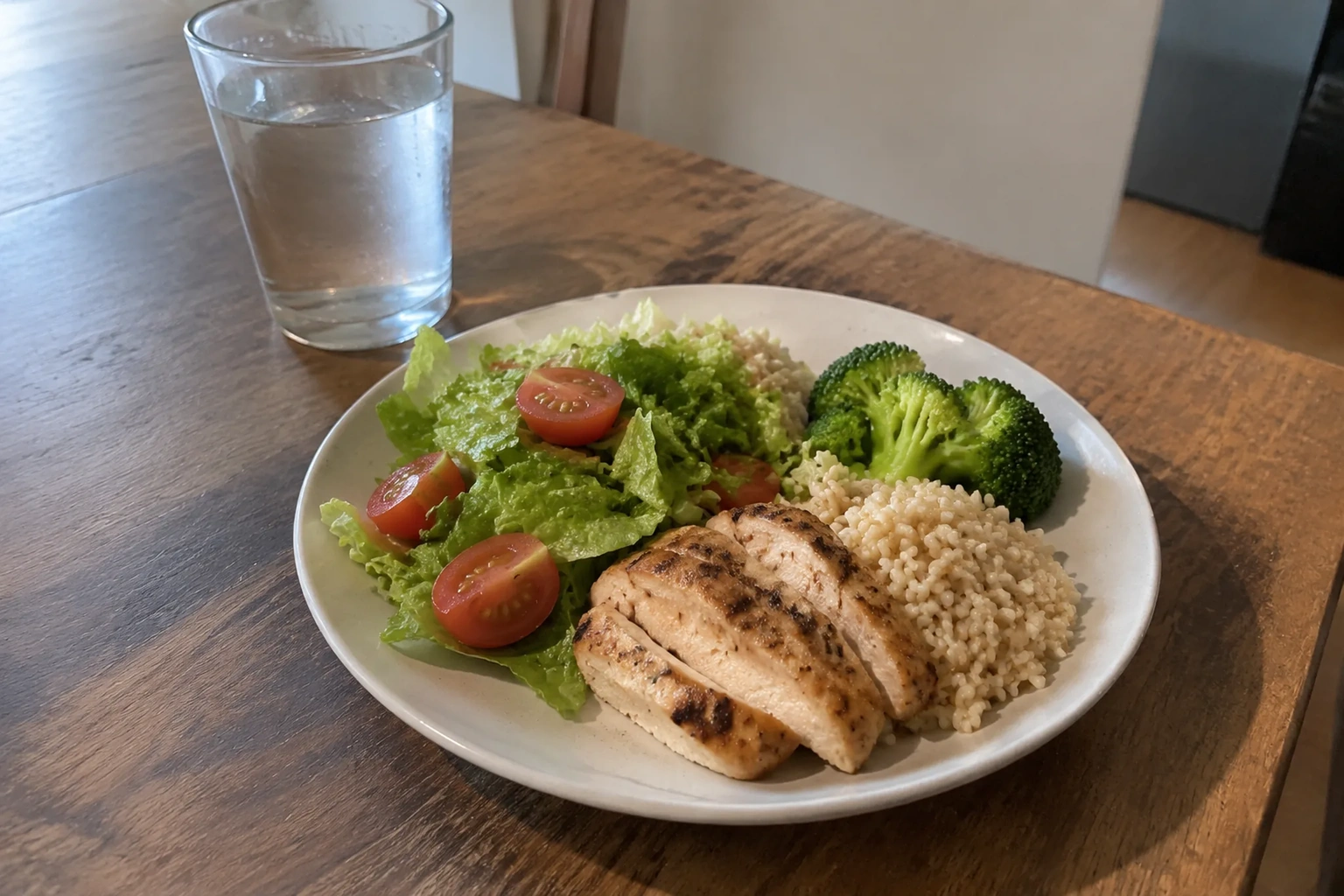
A bag of dried black beans costs less than two dollars in most American supermarkets and yields roughly six cups of cooked beans. A can of the same beans, drained, holds about one and a half cups and costs about the same. That arithmetic, dull as it is, sits at the center of any honest conversation about eating for heart health on a budget. The cheap food is often the good food. The trouble is that the cheap food requires planning, and planning requires time, and time is the thing most households are shortest on.
Cardiologists and dietitians have spent decades telling people to eat more beans, oats, vegetables, fish, and nuts, and to cut back on salt, processed meat, and the kind of refined carbohydrate that spikes blood sugar. The advice is stable and well supported. What gets lost in translation is that this advice, followed literally, can read like a shopping list written by someone who has never stood in a checkout line watching the total climb. Fresh salmon at twelve dollars a pound is heart-healthy. So is a can of sardines at a dollar eighty.
The gap between those two items is where most budget eating advice falls apart. It treats "heart-healthy" as a single tier of food and assumes everyone can afford the top of it.
The cheap staples that carry the most nutritional weight
Oats are the closest thing to a free lunch in the cereal aisle. A large canister of rolled oats runs three to four dollars and provides dozens of servings. Oat fiber, particularly the soluble kind called beta-glucan, has a well-documented effect on LDL cholesterol when eaten regularly, and the mechanism is not mysterious: the fiber binds bile acids in the gut, forcing the liver to pull cholesterol from the bloodstream to make more. A bowl of oatmeal three or four mornings a week is one of the cheapest heart interventions available.
Beans and lentils belong in the same conversation. They are high in soluble fiber, high in potassium, low in saturated fat, and absurdly cheap whether bought dried or canned. The canned version, rinsed well under cold water, sheds a large share of its added sodium. A fifteen-ounce can of no-salt-added chickpeas costs about a dollar and can anchor a dinner for two. Dried lentils cook in twenty minutes with no soaking, which makes them the most forgiving legume for a household that plans dinner at six o'clock.
Frozen vegetables deserve a specific defense here. They are picked and frozen at peak ripeness, which means their vitamin content often holds up better than fresh produce that has spent a week in transit and another week in a crisper drawer. A one-pound bag of frozen broccoli or spinach costs between one and two dollars. Nothing in the fresh aisle at that price competes.
Where the seafood budget actually goes furthest
Fish is the line item that scares people off. Fresh wild salmon is a luxury. Canned salmon is not. A fourteen-ounce can of pink salmon, bones included, costs three to four dollars and delivers the same omega-3 fats plus a meaningful dose of calcium from the softened bones. Mashed into patties with an egg and some breadcrumbs, it feeds three people for under six dollars.
Sardines and mackerel get the same treatment. A tin of sardines in olive oil runs about a dollar fifty and is one of the densest sources of omega-3 fatty acids per dollar on any shelf in the store. The objection is usually the smell or the bones. Both are manageable: sardines on toast with mustard and a squeeze of lemon taste nothing like the fish oil capsules their reputation suggests. Frozen tilapia and frozen cod, meanwhile, sit in the freezer case at four to six dollars a pound, well below the fresh counter, and defrost overnight in the refrigerator with no loss of quality.
The salt problem hides in the middle aisles
Here is where budget eating and heart health genuinely collide. The cheapest calories in the supermarket are the most heavily salted ones: boxed macaroni and cheese, canned soup, frozen dinners, deli meat, bread. Sodium raises blood pressure in a large share of the population, and most of the sodium in the American diet comes from packaged and restaurant food rather than the salt shaker. A single frozen dinner can carry half a day's recommended limit.
The fix is not to buy the expensive low-sodium versions of everything, which is how budget eating advice usually fails. The fix is to buy the raw ingredient one step earlier. Dried beans instead of canned. Plain frozen vegetables instead of sauced ones. Chicken thighs instead of deli slices. Whole heads of cabbage, which cost about a dollar and last for weeks in the refrigerator, instead of bagged salad that wilts in four days. Each of these moves cuts sodium and usually cuts cost at the same time.
The one place to spend a little more is stock or broth. Low-sodium broth costs perhaps a dollar more per carton than the regular kind, and it is the base for soups, rice, and beans. That dollar buys a meaningful reduction in total sodium across several meals.
Cooking fats, chosen by smoke point and price
Olive oil has a well-earned reputation, and the affordable version is the regular, non-extra-virgin kind sold in large tins. A three-liter tin of ordinary olive oil costs far less per ounce than the small bottles of extra-virgin on the top shelf, and it is perfectly good for sautéing vegetables and roasting. Save the expensive extra-virgin for finishing, drizzled raw over beans or salad where its flavor actually registers.
Canola oil is the unglamorous workhorse. It is high in monounsaturated fat, low in saturated fat, cheap, and neutral in flavor, which makes it the right choice for baking and for anything where olive oil would dominate. A half-gallon costs a few dollars and lasts months. Butter and bacon grease, whatever their virtues as flavor, are saturated fat delivery systems and should be occasional rather than foundational.
The weekly rhythm that keeps costs down
Budget eating is less about any single purchase than about a repeating structure. A household that cooks beans once a week, roasts a tray of vegetables once a week, and keeps oats, eggs, and frozen greens on hand will spend less and eat better than one that shops by craving. The beans go into soups, tacos, grain bowls, and salads across four or five days. The roasted vegetables get eaten hot the first night and cold in lunches after that.
Eggs are the quiet hero of this structure. A dozen costs three to four dollars, and they are a complete protein with a good fat profile. A frittata with frozen spinach and a little cheese feeds four for under five dollars. Boiled eggs become snacks. Fried eggs go on top of rice and beans and turn a side dish into dinner.
The rhythm matters more than the recipe. A pot of lentils on Sunday and a tray of roasted sweet potatoes on Wednesday create the raw material for a week of meals that happen to be heart-healthy without anyone having to think about it at six in the evening.
Nuts, seeds, and the cost per nutrient
Nuts are expensive by weight and cheap by the handful. A pound of almonds costs seven or eight dollars, which sounds steep until it is divided into the thirty or so small servings it actually contains. A quarter cup of almonds a day, roughly a handful, is associated with improved cholesterol profiles and costs about forty cents. Peanuts and sunflower seeds are the budget wing of this category, and peanut butter, the plain kind with no added sugar or palm oil, is one of the cheapest sources of monounsaturated fat in the store.
Flaxseed and chia seed, bought in bulk rather than in tiny spice-jar quantities, stir into oatmeal and yogurt for a few cents a serving and add a dose of omega-3 fats that most budgets cannot otherwise afford. Ground flaxseed goes rancid quickly, so it belongs in the freezer once the bag is open.
What actually gets sacrificed at the low end
Honesty requires admitting what a tight budget cannot easily buy. Fresh berries in January, wild-caught salmon, grass-fed beef, and the kind of artisanal whole grains sold in small bags at specialty shops are all genuinely good foods that cost more than most households can spend on a Tuesday. The heart-healthy diet does not collapse without them. Frozen berries work. Canned salmon works. Ordinary rolled oats work as well as steel-cut for most purposes.
The one nutrient that is genuinely hard to get cheaply is the long-chain omega-3 fat found in fatty fish. Canned sardines, canned salmon, and mackerel are the affordable route, and a household eating one of those two or three times a week is getting what it needs. Fish oil supplements exist, but the evidence for their cardiovascular benefit is weaker than the evidence for eating the fish itself, and the capsules cost more per serving than a tin of sardines.
The freezer as a financial instrument
A freezer that is actually organized changes the math more than any shopping strategy. Cooked beans freeze in two-cup portions. Overripe bananas freeze for smoothies. Bread, the whole-grain kind that costs four dollars a loaf, freezes slice by slice and never goes moldy. Chicken thighs bought on sale freeze flat in a bag and defrost in an hour. The freezer turns a good sale into a month of meals and turns leftovers into future dinners rather than guilt.
The households that eat well on little money tend to be the ones that treat the freezer as an extension of the pantry rather than a place where food goes to be forgotten. A roll of masking tape and a marker, used to label and date every container, is the cheapest kitchen tool with the highest return.
The bean pot on the back burner
On a recent cold Saturday, a pot of black beans went on the stove at nine in the morning with an onion, a bay leaf, and a tablespoon of cumin. By noon the house smelled like something worth staying home for. The beans went into a container in the refrigerator, and over the next five days they became black bean soup with lime, a filling for tacos, a mash spread on toast with a fried egg, and a side dish next to roasted sweet potatoes. The total cost of the pot, onion and spices included, came to under three dollars.
That pot is the whole argument in miniature. Heart-healthy eating on a realistic budget is not a matter of finding cheaper versions of expensive foods or of willpower applied to a sad plate of steamed vegetables. It is a matter of building a kitchen around the cheap staples that happen to be the right foods anyway, and letting the rhythm of cooking them do the work. The bean pot on the back burner costs less than a fast-food meal for one and feeds a household for a week. The cardiologist would approve, and so would the bank account.





















