






Somewhere in the range of a quarter to a third of adults live with some form of pelvic floor trouble, and most of them will never bring it up at a dinner party. That estimate comes from clinical literature that has been fairly consistent for years, and it covers leaking, heaviness, pain, and the quiet business of crossing legs before a sneeze. The number is large. The conversation is small. That gap is where most of the confusion about this set of muscles lives.
Pelvic floor basics get taught badly, when they get taught at all. The muscles are usually described as a hammock, which is a nice image and a slightly misleading one, because a hammock holds still and these muscles are supposed to move, contract, release, and coordinate with breathing. The more useful framing is a sling of muscle and connective tissue that sits at the base of the pelvis, spanning from the pubic bone at the front to the tailbone at the back, with attachments along the sides. It supports the bladder and the rectum, and in women the uterus as well. It contributes to continence, to sexual function, and to the way the trunk manages pressure when a person lifts something heavy or coughs hard.
Small habits matter here more than grand interventions. That is the honest takeaway of the clinical consensus, and it cuts against the way fitness content usually sells the body: as a project that needs a program. The pelvic floor responds to repetition and to posture, to the way a person sits for eight hours, to whether they brace before lifting, to how they breathe. A few modest changes, repeated, do more than a heroic six-week protocol abandoned in March.
What the muscles actually do during a cough
Consider a sneeze in a crowded office. Pressure inside the abdomen spikes in a fraction of a second. A healthy pelvic floor contracts a beat before that spike, a preemptive tightening that keeps the urethra closed. This happens below conscious thought in most people. When the timing is off, or the muscle is weak, or the tissue has been stretched by childbirth or surgery or age, the seal gives and a small amount of urine escapes. That is stress incontinence, and it is the most common complaint clinicians hear.
The coordination is the part most people miss. A pelvic floor that is strong but slow to fire will still leak. A pelvic floor that is tight but never fully releases can cause pain, urgency, and a feeling of heaviness. Both failure modes exist, and they call for different responses. This is why the blanket advice to "do Kegels" deserves more suspicion than it usually gets.
The Kegel instruction problem
Kegels are named for Arnold Kegel, the gynecologist who popularized them in the middle of the twentieth century. The exercise is simple in principle: squeeze the muscles that would stop the flow of urine midstream, hold briefly, release fully. In practice, a large share of people perform them incorrectly. Some bear down instead of lifting, which is the opposite of the intended action and can worsen symptoms over time. Others clench the buttocks and thighs while the pelvic floor stays idle.
Clinical experience suggests that a meaningful fraction of patients who report doing Kegels regularly have been doing them wrong for months. The fix is not more effort. It is a proper assessment, ideally with a pelvic health physiotherapist who can confirm the contraction is happening and that the release is complete. That assessment is not exotic. It is standard care in many countries and increasingly available elsewhere, though access varies widely and cost can be a real barrier.
A useful self-check before any exercise: the muscles in question are the ones that lift, not the ones that push. The sensation is a gentle closing and drawing up, sometimes described as the feeling of holding back gas. If the movement feels like bearing down, stop and reconsider.
Breathing is the habit that carries the rest
The diaphragm sits at the top of the abdominal cavity and the pelvic floor sits at the bottom, and the two move together. On inhale, the diaphragm descends and the pelvic floor lengthens slightly. On exhale, both return. This pressure management system works automatically in a healthy body and gets disrupted by chronic breath-holding, shallow chest breathing, and the habit of sucking in the stomach to look flatter.
That last habit deserves attention. Constant abdominal bracing, the kind encouraged by some fitness aesthetics, keeps the pelvic floor in a state of low-grade tension all day. The muscle never gets to rest. Over months, this can produce the tight, painful pattern that responds poorly to strengthening and well to release work, breathing retraining, and a change in postural habits.
A simple daily practice: lie on the back with knees bent, place a hand on the lower belly, and breathe so the hand rises on inhale and falls on exhale, without forcing the belly out or pulling it in. Ten slow breaths, once or twice a day. The pelvic floor should feel like it widens on the inhale and settles on the exhale. That is the coordination the rest of the work builds on.
Toileting posture is not a minor detail
The pelvic floor relaxes to allow urination and defecation, and the position a person adopts matters. Sitting fully on the toilet, feet flat or on a small stool, with the trunk leaning slightly forward and the belly soft, allows the muscles to release. Hovering over the seat, which many people do out of hygiene concern, keeps the pelvic floor engaged and the bladder incompletely emptied. That incomplete emptying, repeated daily, contributes to urgency and frequency.
Straining to hurry a bowel movement is another quiet offender. The muscle that wraps the rectum needs to relax, and bearing down fights that relaxation. A stool that raises the knees above the hips, a few minutes of unhurried time, and no phone scrolling are unglamorous interventions that clinicians mention repeatedly.
There is also the matter of going "just in case." Emptying the bladder before every departure, every meeting, every car ride trains the organ to signal at smaller and smaller volumes. The habit is understandable, especially for anyone who has leaked in public. It is also self-reinforcing in the wrong direction.
Lifting and the breath before the brace
Anyone who lifts a toddler, a suitcase, or a bag of potting soil has felt the moment when the trunk must manage load. The pelvic floor is part of that management. The pattern that serves it well: exhale as the effort begins, keep the ribs stacked over the pelvis, and let the pelvic floor lift in coordination with the exhale. Holding the breath and bearing down, the classic weight-room grunt, spikes pressure downward and asks the pelvic floor to resist without support.
For people with existing symptoms, a physiotherapist can teach a coordinated "knack" of a preemptive pelvic floor contraction before a cough, a sneeze, or a lift. It is a small skill, learned in a session or two, and it buys time while strength and coordination improve.
When the problem is too much tension, not too little
The public conversation about pelvic floor health has tilted toward weakness, and weakness is real. But a substantial number of people, particularly those with chronic pain, endometriosis, a history of pelvic surgery, or a long habit of clenching, present with an overactive floor. For them, Kegels are the wrong tool. The muscles need down-training: diaphragmatic breathing, gentle stretches, heat, and a deliberate reduction in guarding.
Recognizing which pattern applies is not something a magazine article can settle. Pain with intercourse, a constant feeling of tension, or difficulty relaxing to urinate all point toward the overactive end of the spectrum. Leaking with coughs and sneezes points toward the underactive end. Many people have a mix. A proper assessment sorts it out.
The habits worth keeping on a Tuesday
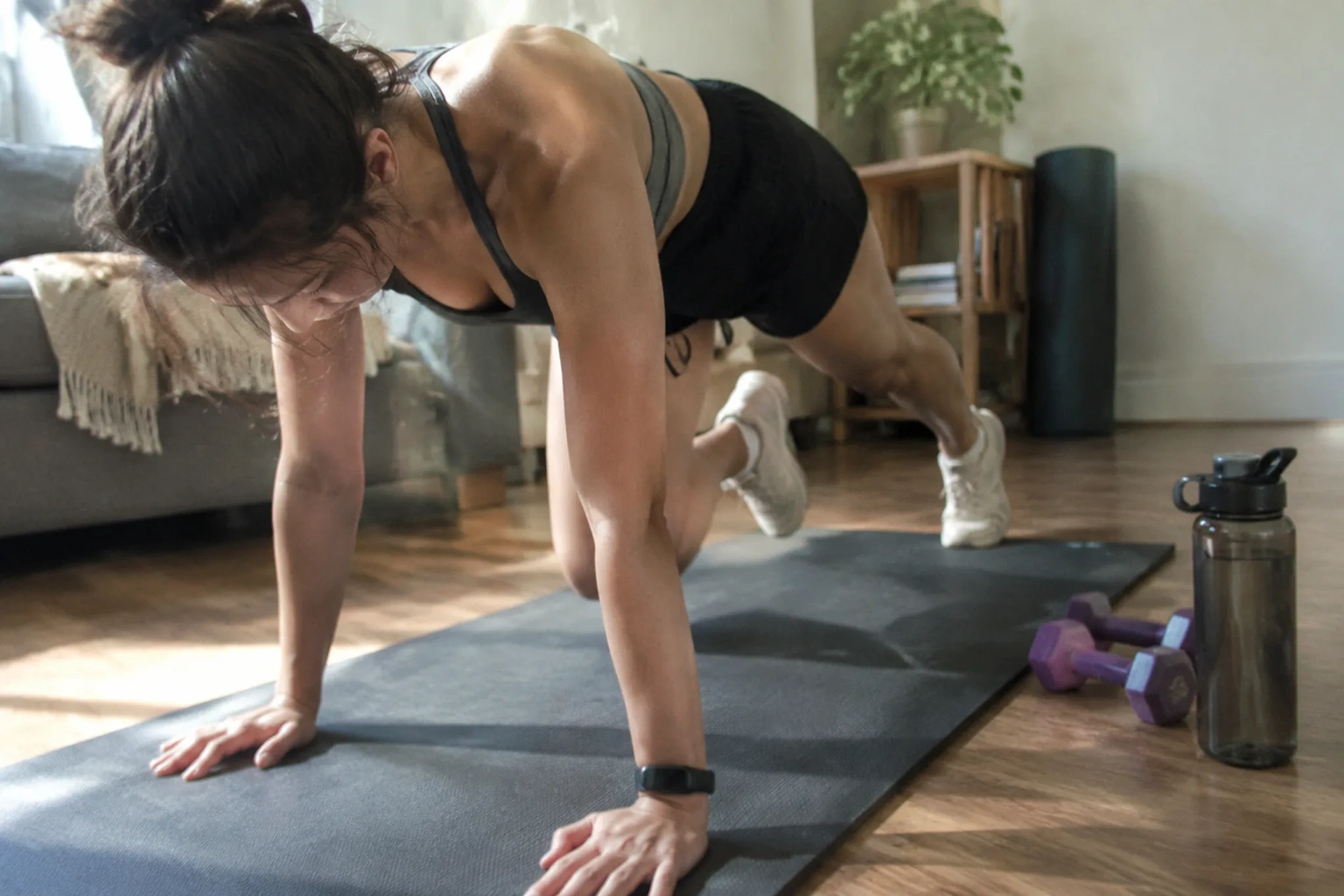
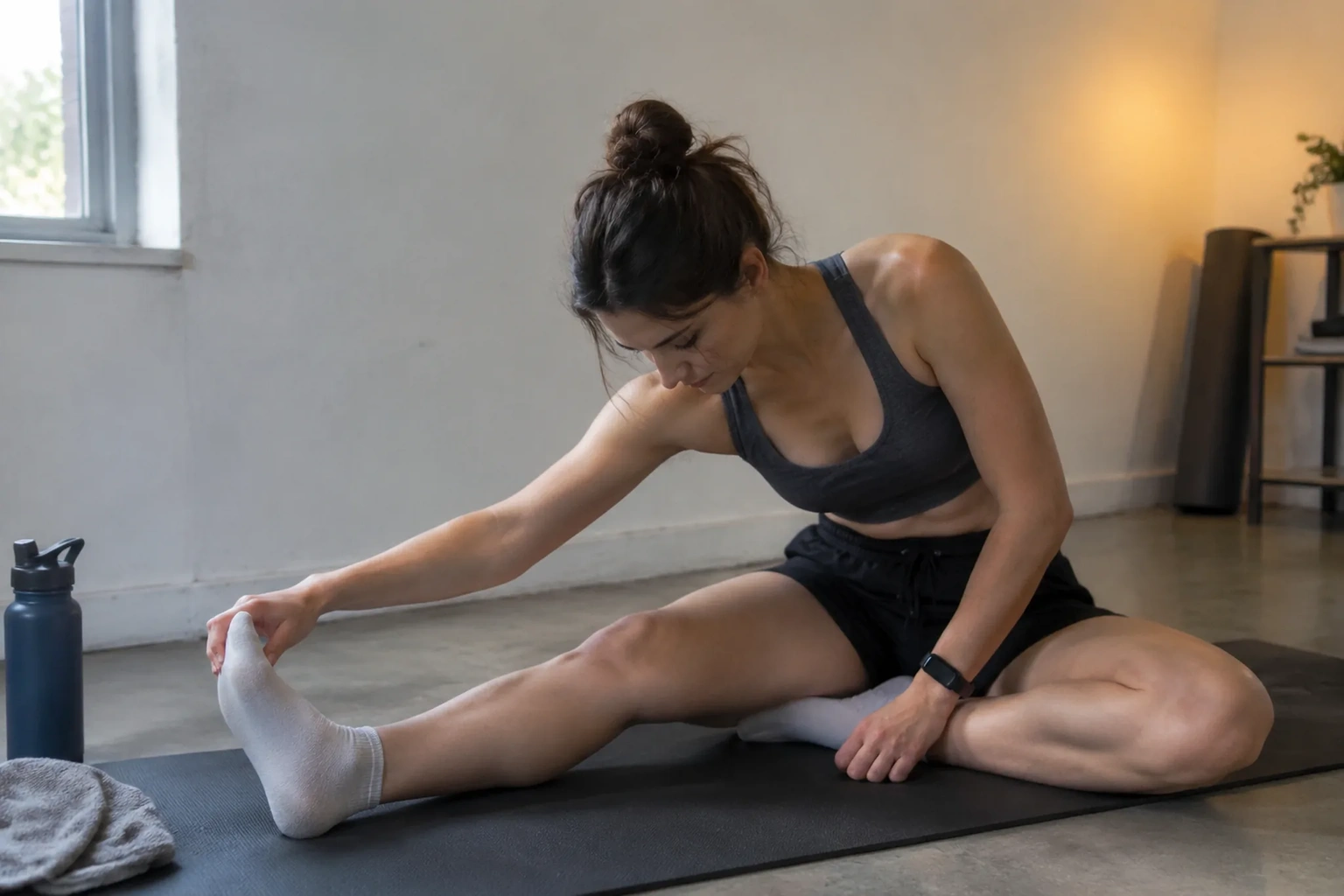
Strip away the programs and the gadgets and what remains is a short list. Breathe into the belly rather than the chest for a few minutes each day. Sit fully on the toilet and let the muscles release. Exhale into a lift rather than holding the breath and bearing down. Stop clenching the stomach to look thinner. Move the whole body regularly, because walking and squatting and climbing stairs all ask the pelvic floor to work through its full range.
None of this is dramatic. That is the point. The pelvic floor responds to the ordinary shape of a day, to the eight hours of sitting, to the way a person lifts the grocery bag, to the breath taken before a sneeze. Small habits, repeated without much fanfare, are what keep the missteps few.