




Blood pressure readings arrive as two numbers and a verdict, and most people treat the whole business like weather: something that happens to them, reported by a machine. The cuff inflates, the display blinks, the doctor nods or frowns, and the appointment moves on. That framing quietly strips out the one part of the story a person actually controls, which is the daily texture of how they live.
Hypertension is common enough that it has become background noise. Roughly half of American adults have it, according to the CDC, and a large share of them are managing it with medication and not much else. Medication matters enormously. So does the ordinary stuff, and the ordinary stuff is where the small habits live.
The interesting thing about blood pressure habits is that the useful ones are almost embarrassingly minor. Nobody needs to overhaul a life. A few grams of salt here, a walk there, a change in how the cuff gets used. These are the levers, and they are smaller than the word "lifestyle" suggests.
The five minutes before the cuff inflates
Reading accuracy is the first habit, and it is the one almost everyone skips. Blood pressure is volatile. It swings with a full bladder, a rushed walk from the parking lot, a conversation about the electric bill, a cup of coffee finished ten minutes earlier. A person who sits down and presents an arm immediately is often measuring their commute.
The standard advice is dull and specific: sit quietly for about five minutes, back supported, feet flat, arm at heart level, no talking. Five minutes feels like an absurd amount of time to sit in a clinic exam room doing nothing. It is also the difference between a number that reflects a baseline and a number that reflects the last twenty minutes.
At home, the same rule applies, and the stakes are higher because nobody is there to enforce it. A reading taken standing at the kitchen counter, sleeve shoved up, phone in the other hand, is close to meaningless as a trend. The ritual is the measurement.
Two readings, a minute apart
Single readings mislead. The common clinical practice is to take two, spaced a minute apart, and average them, precisely because the first one tends to run high from the anticipation of having it taken. That anticipation has a name, white coat effect, and it shows up at home too, in the small flinch before the cuff tightens.
A person who takes one reading and panics has learned nothing. A person who takes two and averages has a better handle on the real number. The habit costs sixty seconds.
The salt that never gets measured
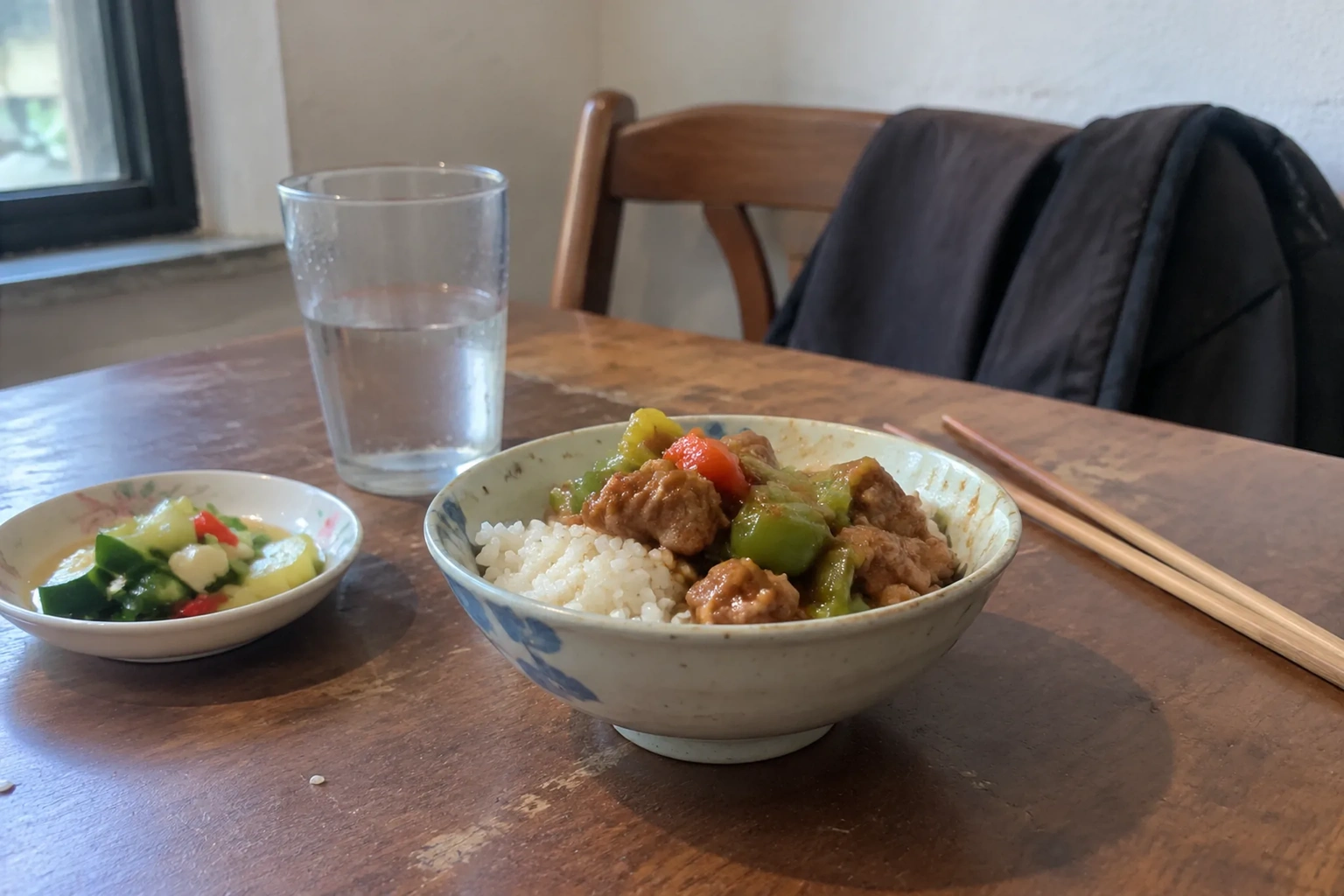
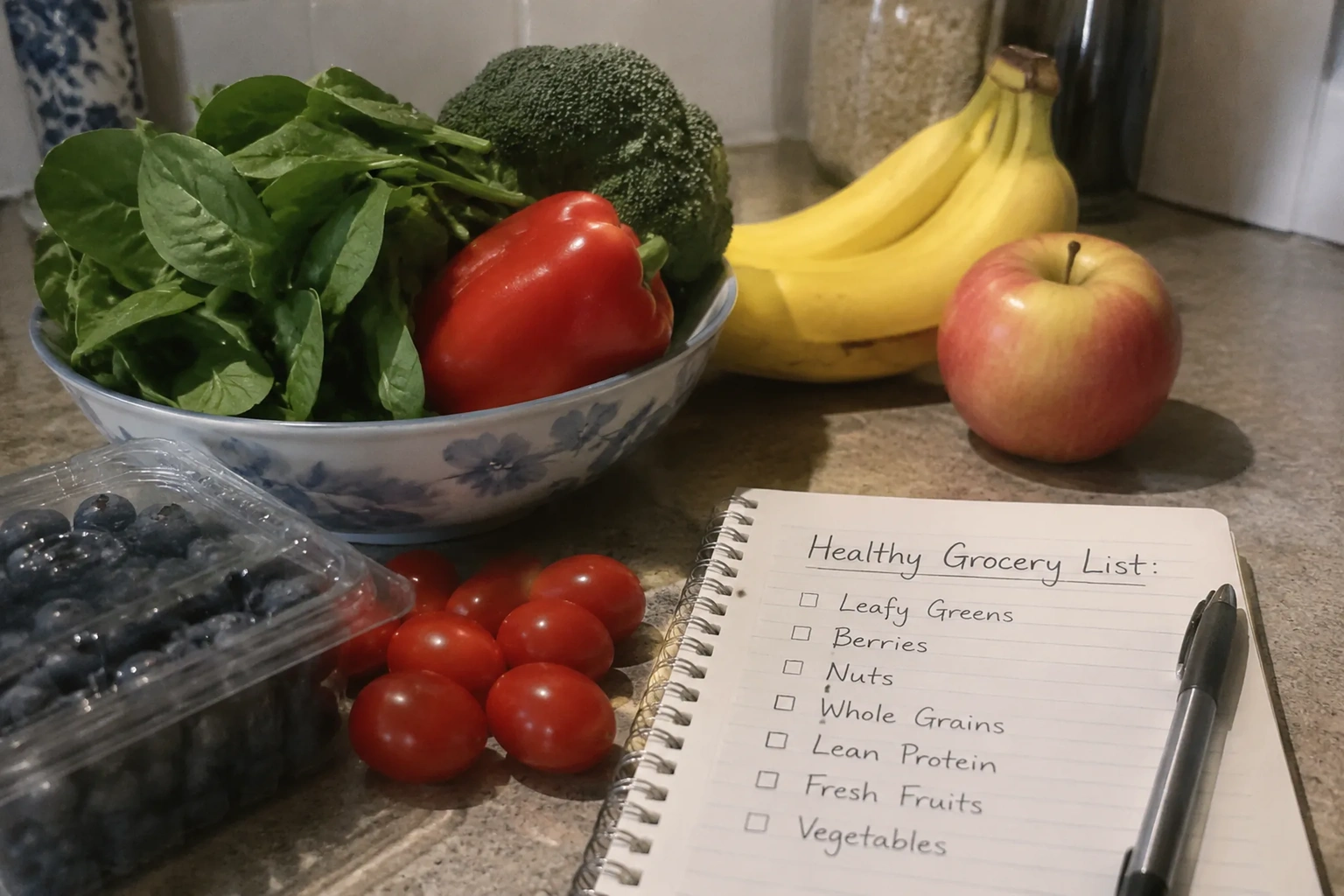
Dietary sodium is the habit everyone knows about and almost nobody tracks accurately, because the salt shaker is a small part of the picture. Most sodium in a typical diet comes from packaged and restaurant food: bread, deli meat, canned soup, cheese, sauces, the entire architecture of a modern grocery store. A person who proudly refrains from salting the soup may still be eating several times the recommended daily sodium without noticing.
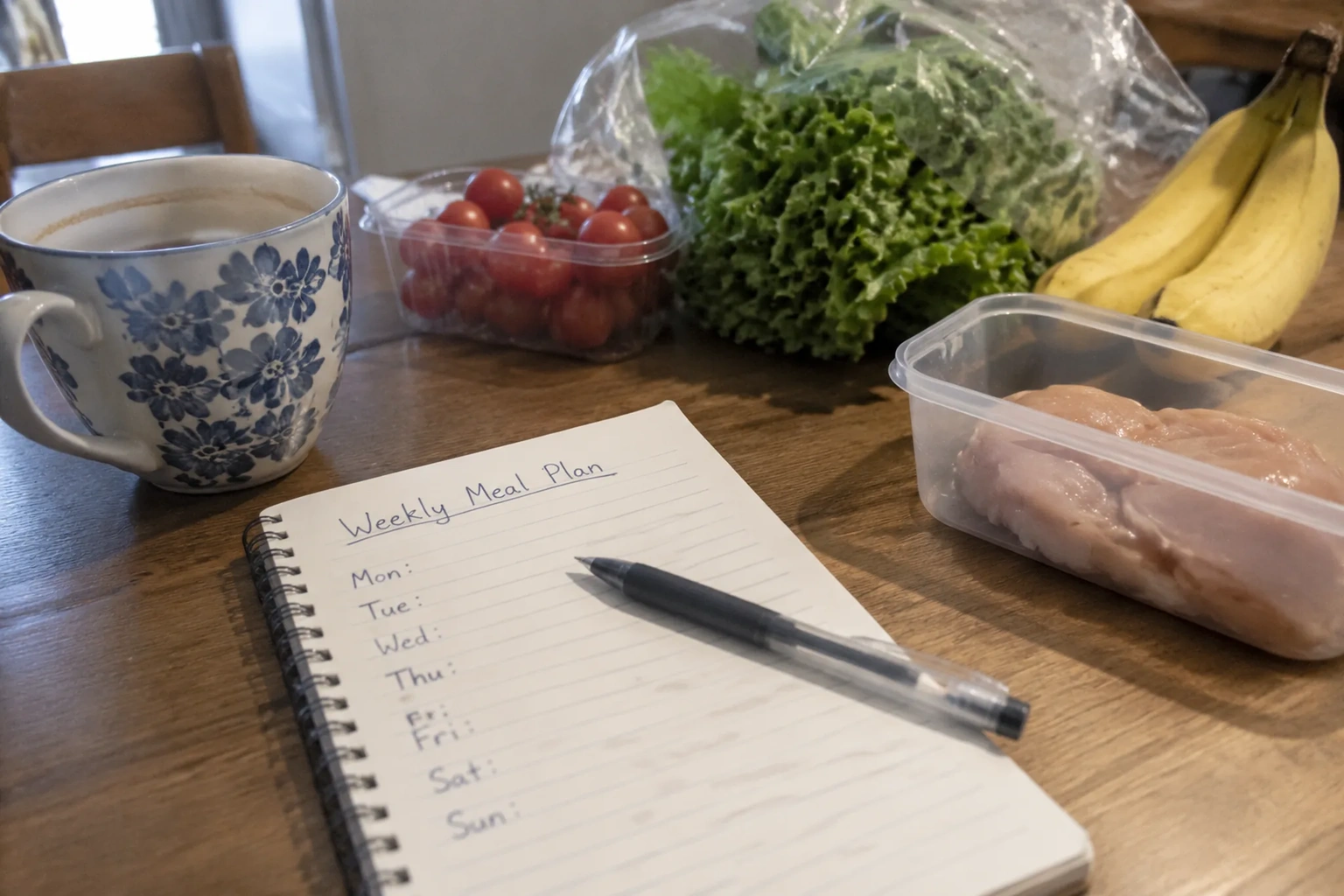
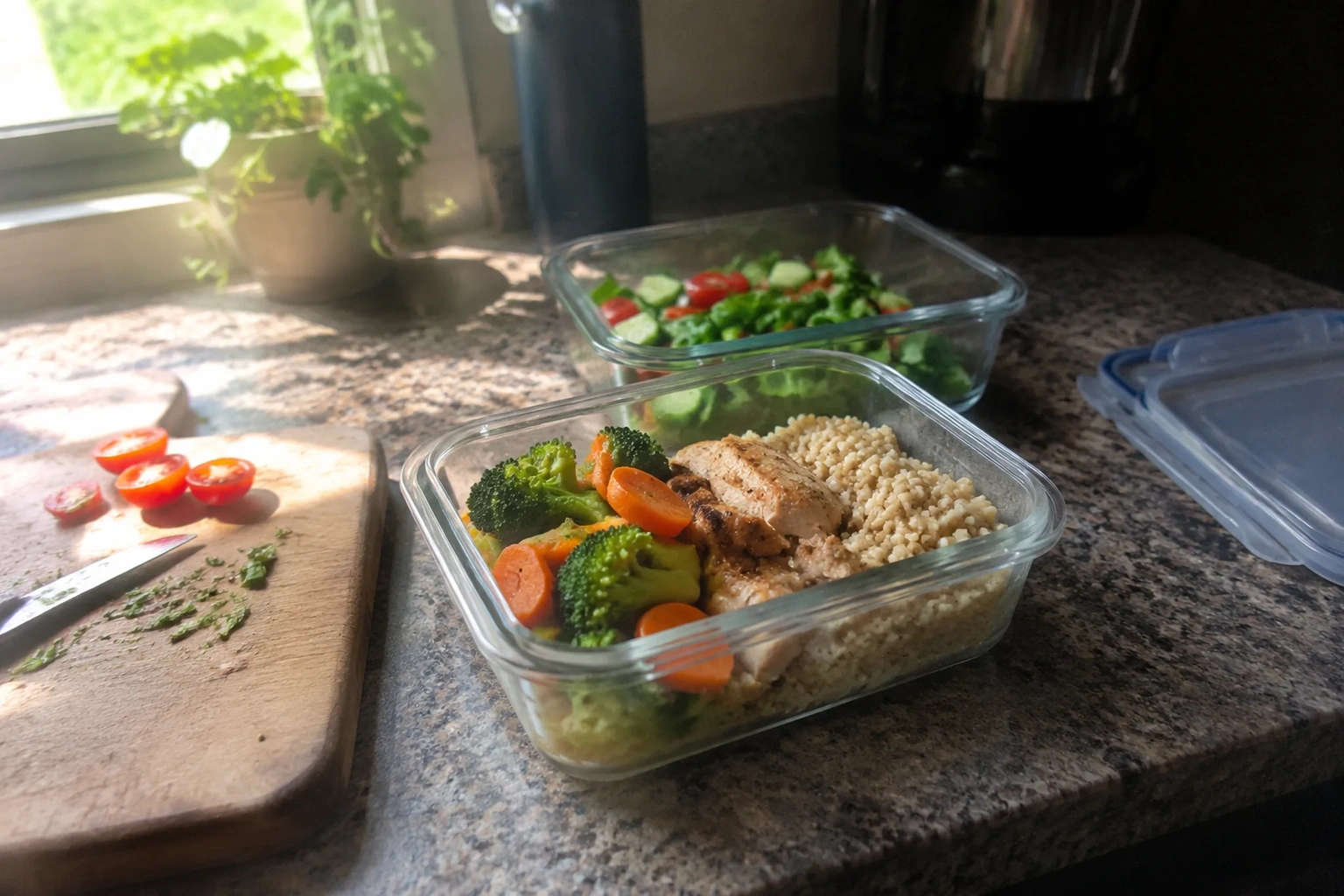
The workable habit is not elimination. It is substitution and reading. Swapping one habitual high-sodium lunch for a lower-sodium one, twice a week, is a change a person can actually sustain. Canned beans rinsed in a sieve lose a meaningful share of their sodium. The label on the back of the package, read once in the store, changes what goes into the cart for years.
Guidance from health authorities puts a reasonable target around 2,300 milligrams a day, with some organizations suggesting lower. The point is not the exact number. It is that the number is invisible unless somebody looks.
Potassium, the mineral nobody mentions
Sodium gets the attention. Potassium does quiet, steady work on the other side of the equation, helping the body shed sodium and easing tension in vessel walls. Bananas are the cliché, but potatoes, beans, spinach, yogurt, and oranges all carry a serious load of it.
A person who adds one potassium-rich food to a normal day, a handful of beans in a salad, a potato with dinner, is making a real change. People with kidney disease need to be careful with potassium and should talk to a doctor first. For everyone else, it is one of the least painful adjustments available.
The walk after dinner
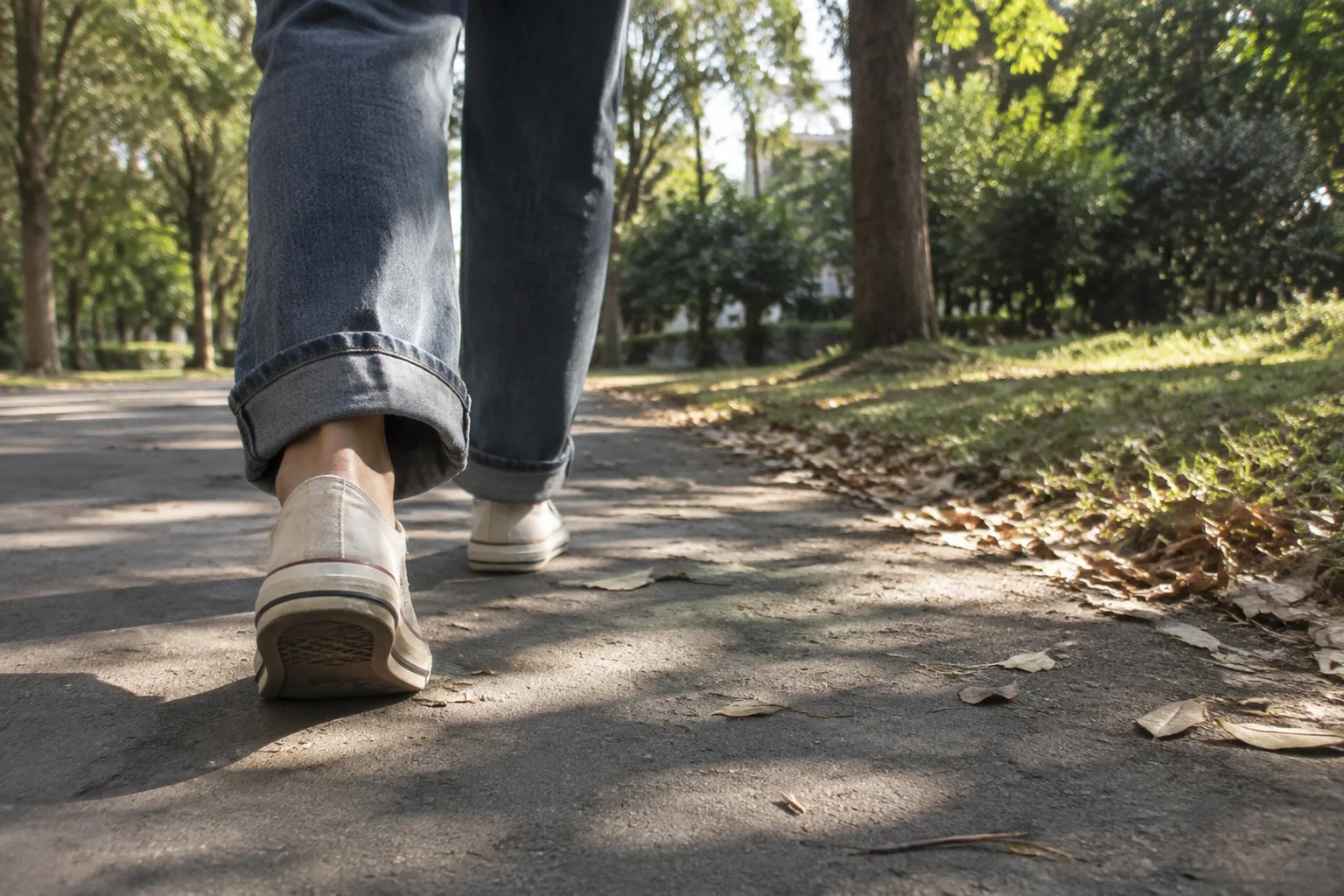
Regular aerobic movement lowers blood pressure over weeks and months, and the effect is well documented. The habit that actually sticks, in most households, is smaller than a gym membership: a twenty-minute walk after the evening meal. It has a built-in trigger, it does not require changing clothes, and it lands at a time of day when most people are otherwise sitting.
The precise mechanism does not matter to the person walking. What matters is that the walk happens. A person who walks after dinner four nights a week is doing something the body notices.
The drink that counts, and the one that does not
Alcohol raises blood pressure in a dose-dependent way, which is a polite way of saying that heavier drinking pushes it higher. The habit worth examining is not abstinence for everyone. It is knowing how much is actually being poured. A glass of wine at dinner is one thing. Two generous glasses most nights is a different pattern, and the pour is usually larger than the label serving.
Caffeine is the opposite story. It spikes blood pressure briefly, for thirty minutes or so, and the effect fades with regular use. A person who drinks coffee every morning has largely adapted. The useful habit, for anyone monitoring readings, is simply to avoid measuring within half an hour of a cup, so the number reflects the usual state rather than the last sip.
Sleep, measured in hours and in interruptions
Short sleep and poor sleep quality are both linked to higher blood pressure, and one of the more common culprits is sleep apnea, a condition in which breathing repeatedly stops during the night. Many people with hard-to-control hypertension turn out to have untreated apnea. It is worth asking about for anyone who snores heavily, wakes unrefreshed, or has a partner who notices pauses in breathing.
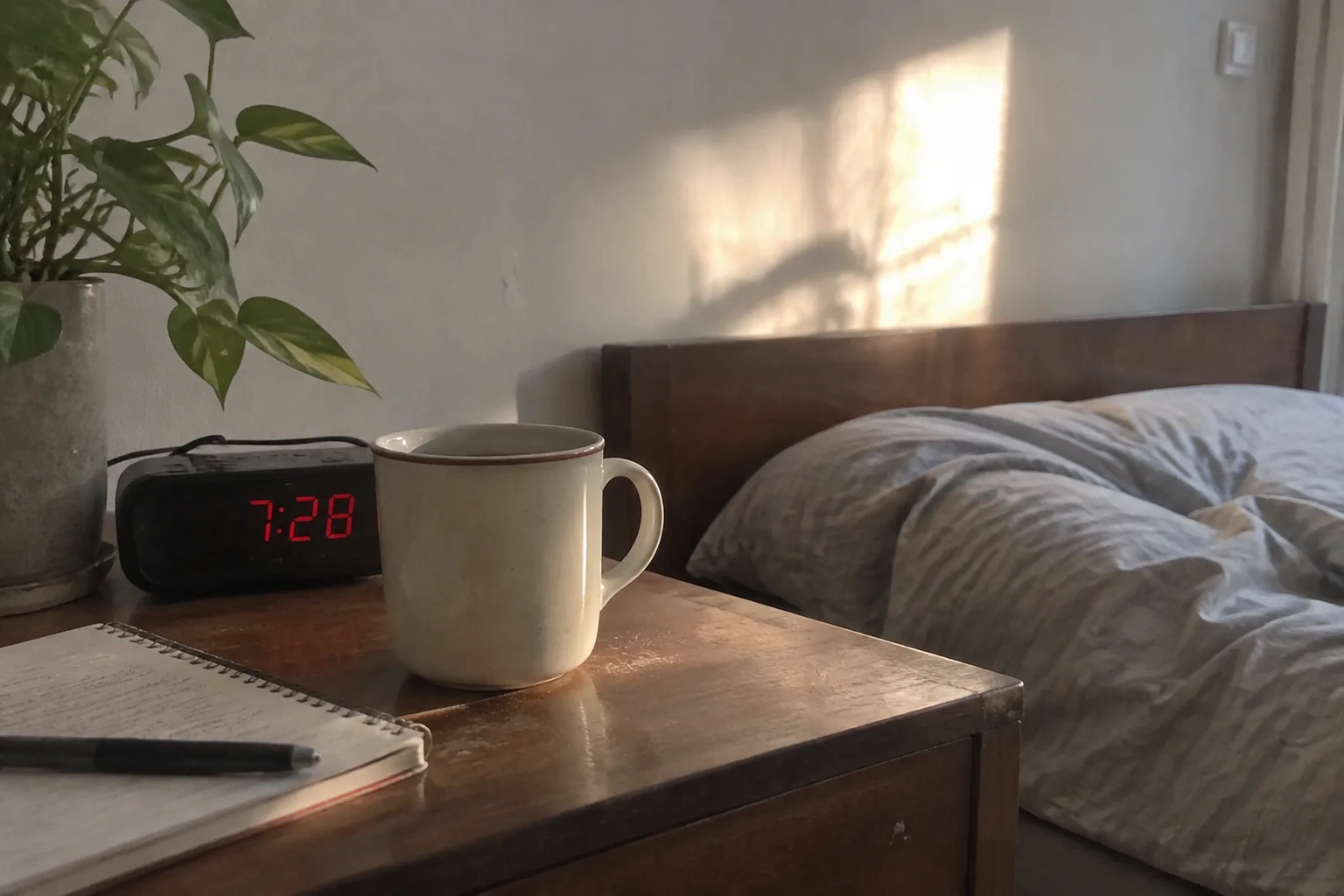
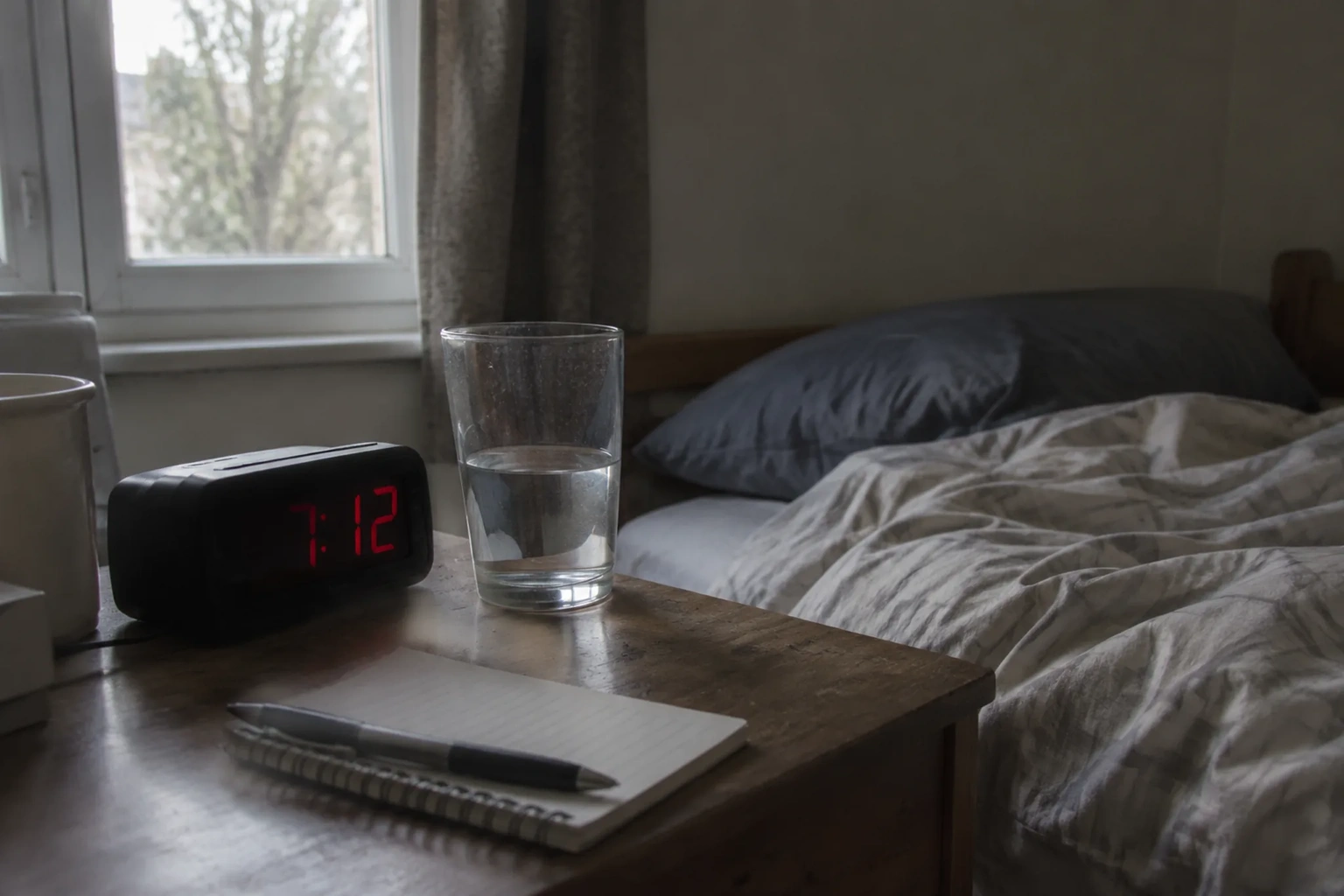
The habit here is a conversation with a doctor, not a self-improvement project. A consistent bedtime is a small, cheap lever. So is keeping the bedroom dark and cool. Neither is dramatic; both compound.
Home monitoring as a weekly ritual
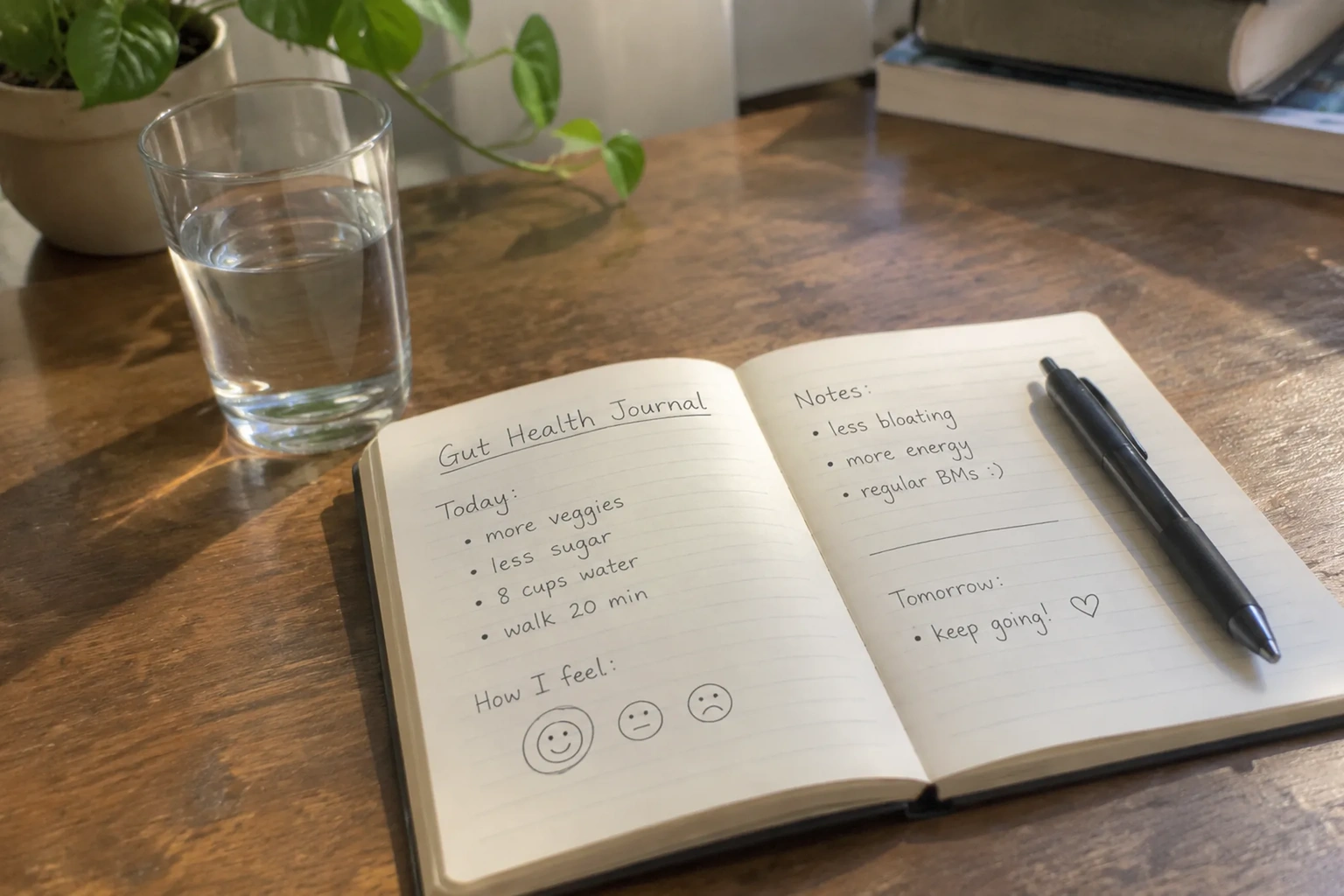
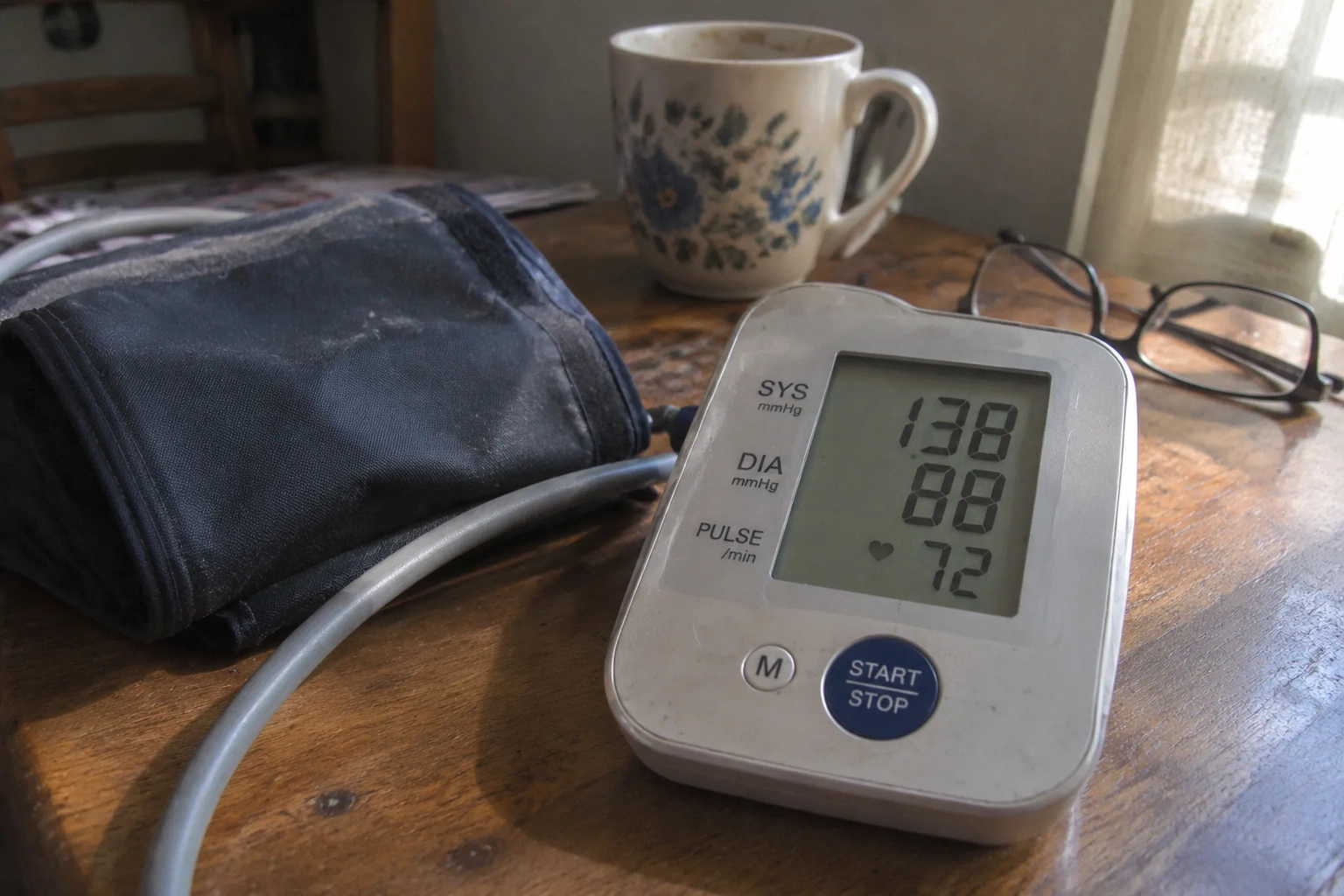
A home cuff, used properly, gives something a clinic visit cannot: a trend. A person who measures at the same time each morning for a week, logs the numbers, and brings the log to an appointment hands the doctor far more useful information than a single reading taken after a stressful drive.
The habit is the log. The cuff itself should be validated and the arm cuff sized correctly, since a cuff too small for the arm reads high. A pharmacist can check the fit in a few minutes. That check is worth doing once, and then forgotten.
When the small habits stop being enough
There is a limit to what habits can do, and it is dishonest to pretend otherwise. Some people do everything right and still need medication, because genetics and age and the slow stiffening of arteries are not negotiable. The small habits lower the floor; they do not always clear the ceiling.
The mistake is treating this as an either-or. Medication works better when the daily texture supports it. The habits work better when a person is not fighting a condition alone. The two are not in competition.
What makes these habits worth the trouble is that none of them requires a new identity. They are five minutes of sitting, two readings instead of one, a walk after dinner, a label turned over in the grocery aisle. A person who adopts three of them and ignores the rest has still changed the arithmetic. The cuff, when it inflates next time, will have something truer to report.