







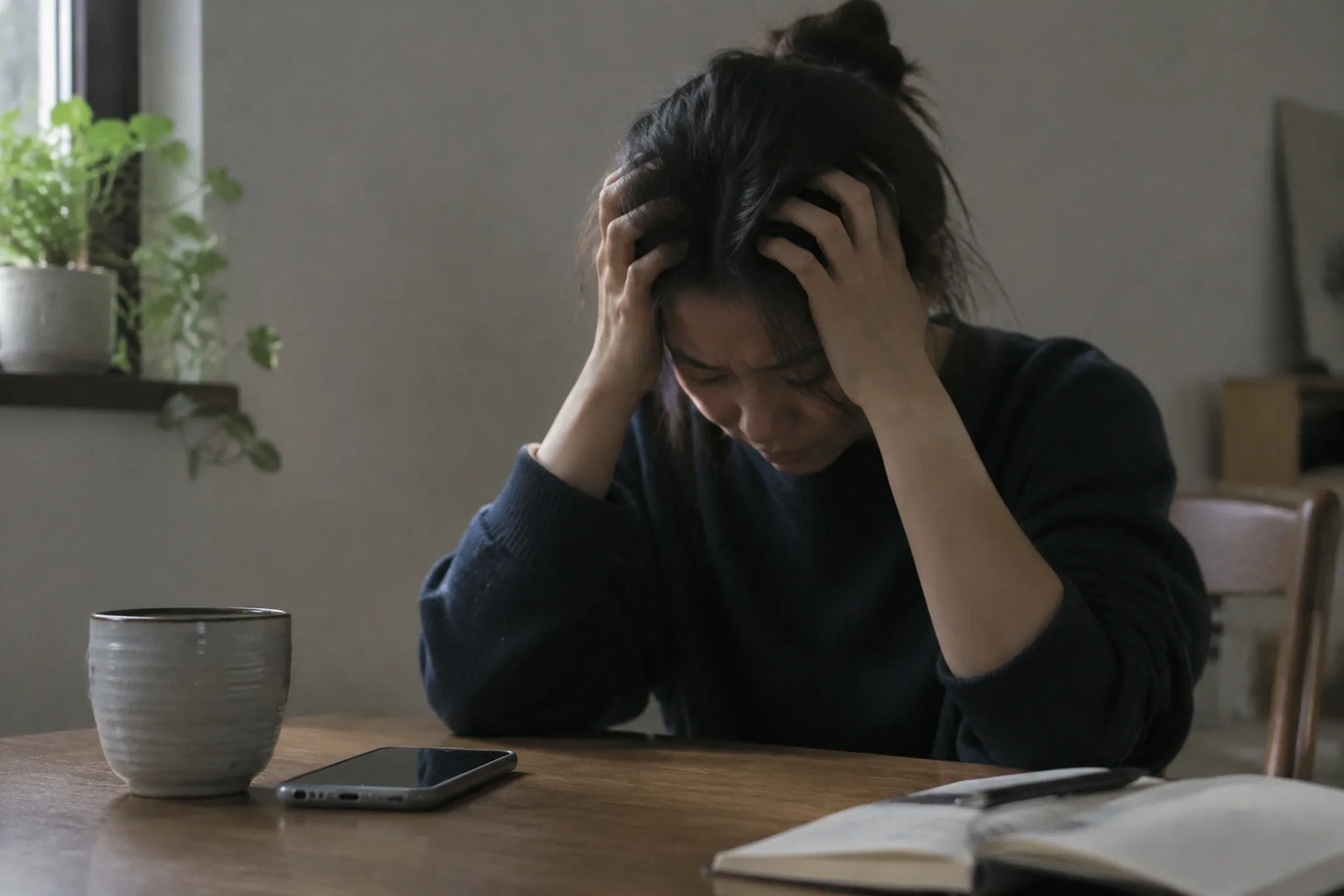
The stomach has a nervous system of its own. Somewhere in the wall of the gut runs a dense mesh of neurons, often described as a second brain, and it talks constantly with the one in the skull. This is why a bad week at work can show up as a knot below the ribs before any conscious thought arrives. The connection is real and well documented in general terms, even if the precise wiring is still being mapped. What matters for daily life is simpler: tension lands in the abdomen, and the abdomen has ways of letting a person know.
Most advice on this subject leans on the same short list. Breathe deeply. Take a walk. Avoid coffee. All of it is fine, and most of it is too vague to act on at seven in the morning when the commute is starting and the gut is already clenched. A more useful approach treats the stomach as a barometer that responds to specific, physical inputs: temperature, posture, the timing of meals, the pace of eating, the amount of air swallowed. These are small levers. They are also the ones a person can actually pull.
The diaphragm sits directly above the stomach
Shallow breathing from the upper chest is the default posture of a stressful day. Shoulders creep up, ribs stay mostly still, and the big muscle under the lungs barely moves. The stomach sits just below that muscle. When the diaphragm is cramped and the breath stays high, the whole upper abdomen feels compressed, and digestion slows to a crawl.
A belly breath reverses the geometry. On the inhale, the diaphragm drops and pushes gently down on the organs below it. On the exhale, it rises back. The motion is a soft internal massage, and it happens on its own if the breath is allowed to go low. The trick is not to force a huge lungful of air but to let the lower ribs widen and the belly move outward a little. Five slow rounds, done at a desk before a meeting, cost almost nothing and change the feel of the midsection within a minute.
The timing matters as much as the technique. Breathing exercises done once, in a panic, help less than a short routine attached to something that already happens every day: the first minute after sitting down at a desk, the pause before a meal, the moment the car stops in the driveway. A ritual that piggybacks on an existing habit survives. A grand new wellness plan usually does not.
A clenched jaw swallows a surprising amount of air
Anxiety changes how a person eats. Food goes down fast, barely chewed, with a gulp of air between bites. The result is a stomach full of half-broken food and trapped gas, which produces the bloating and pressure that so often get blamed on a specific food. The meal itself may have been innocent. The speed was not.
There is a plain test for this. A person who finishes a sandwich in four minutes and then feels a hard, tight belly an hour later has a strong clue about where the trouble lives. Slowing to ten or twelve minutes, putting the fork down between bites, and chewing until the texture changes before swallowing does more for comfort than most supplements on the shelf. The mouth is where digestion begins, and rushing past that stage pushes work downstream to an organ that did not ask for it.
Drinking large volumes of liquid with a meal compounds the problem. A few sips are fine. A pint of water chased down alongside a hurried lunch adds volume and air to an already crowded space. Water is better placed between meals, when the stomach is not trying to process solids.
The abdomen tightens against cold and against belts
A cold drink on an empty stomach can trigger a quick, cramping squeeze in some people, especially first thing in the morning. The gut responds to temperature the way skin does, contracting against a sudden chill. Warm liquids, a cup of tea or simply warm water, tend to relax the same tissue. This is not a cure for anything, but it is a real and repeatable difference that costs nothing to test.
Clothing plays a quieter role. A waistband that digs in just below the ribs, worn for ten hours, presses on a region that is already under nervous tension. The body reads constant pressure as a mild threat and keeps the abdominal muscles slightly braced. Loosening the belt a notch, choosing trousers with a higher, softer waist, or changing out of tight clothes at the end of the day gives the midsection a chance to unclench. The effect is modest and cumulative.
Movement that twists the torso moves the gut
Walking is the most recommended remedy for a reason. The steady, gentle bounce of a normal pace, combined with the swing of the arms and the rotation of the torso, nudges the intestines along. Twenty minutes at an easy pace after a meal does more for the cramped, gassy feeling than sitting still and waiting for it to pass.
Twisting movements add something walking alone does not. A slow seated twist, turning the shoulders to one side and holding for a few breaths, then the other, releases the obliques and the layers of muscle that wrap the waist. Gentle yoga poses that fold and rotate the midsection work on the same principle. The point is to keep the tissue around the gut from locking into one position for hours on end, which is exactly what a desk chair encourages.
Stretching the front of the body helps too. Hours spent hunched forward shorten the hip flexors and round the lower back, which pulls the belly inward and compresses the space the organs need. Standing up, placing the hands on the lower back, and arching gently backward for a few seconds opens that space again. It is a small motion with an outsized effect on how tight the stomach feels by late afternoon.
The gut keeps a schedule, and stress scrambles it
Meals eaten at wildly different times each day leave the digestive system without a rhythm to follow. The body prepares for food in advance, releasing enzymes and moving the gut in anticipation. When mealtimes swing by three or four hours from one day to the next, that preparation misfires, and the result is the vague, unsettled feeling that people describe as an upset stomach with no clear cause.
Anchoring breakfast and lunch to roughly the same window each day gives the system a predictable script. The stomach does not need perfection. It needs a pattern it can learn, so it stops bracing for the unexpected. For anyone whose work stress already destroys routine, this is one of the few areas where a small amount of structure pays back quickly.
Late meals and short sleep leave the stomach working the night shift
A heavy dinner eaten an hour before bed keeps the digestive system active when it should be winding down. Lying flat with a full stomach encourages reflux and the sour, restless feeling that ruins the first half of the night. The gut has its own clock, and a late, large meal pushes it out of step. Moving the last substantial meal two to three hours before sleep, and keeping it smaller than lunch, tends to settle both the stomach and the sleep that follows.
Short sleep feeds the loop from the other end. A tired body runs on stress hormones, and those hormones slow digestion and heighten gut sensitivity. A person who slept five hours will feel a mild stomach twinge far more sharply than one who slept eight. The fix is unglamorous and hard to fake: protect the sleep, and the gut becomes less reactive to everything else.
Caffeine and alcohol both press on an already tense gut
Coffee on an empty stomach, especially a second or third cup, stimulates acid production and speeds the gut up. For some people that is harmless. For a person already carrying tension in the abdomen, it can tip a manageable morning into a churning one. Switching the first cup to after breakfast, or swapping the afternoon cup for tea, often quiets the noise without demanding total abstinence.
Alcohol works in the opposite direction, relaxing the valve at the top of the stomach and irritating its lining. A single drink with dinner is one thing. A couple of drinks on a stressful evening, followed by a late snack and a short night, stacks three insults on top of each other. The next morning's nausea is not mysterious. It is the arithmetic of the night before.
When the body needs a doctor and not a breathing exercise
Most stress-related stomach trouble is uncomfortable and temporary. Some symptoms are not. Blood in the stool or vomit, unexplained weight loss, pain that wakes a person at night, difficulty swallowing, or a sudden change in bowel habits that lasts for weeks all warrant a medical visit rather than another cup of ginger tea. Persistent vomiting, fever with abdominal pain, or a belly that is rigid and tender to the touch are reasons to seek care quickly.
The distinction matters because the practical measures described here are supportive, not diagnostic. They ease the ordinary tension that everyone carries. They do not treat ulcers, infections, or inflammatory conditions, and treating those as if they were simple stress would waste time that is better spent in a clinic. A doctor can sort the ordinary from the serious in a way that no article can.
The ten-minute reset that fits between meetings
Put the pieces together into something small enough to actually do. Find a chair, sit forward with the feet flat, and let the belly go soft. Take five slow breaths, letting the lower ribs widen on the inhale and fall on the exhale. Then turn the shoulders slowly to the right, hold for three breaths, and return to center. Repeat to the left. Stand, place the hands on the lower back, and arch gently for five seconds. Roll the shoulders down and back. That is the whole routine, and it takes about ten minutes from the first breath to the last stretch.
Done once, it feels pleasant and forgettable. Done twice a day for two weeks, attached to the same triggers (before the first meeting, after the last one), it starts to change the baseline. The stomach stops living in a permanent flinch. The bloating after lunch softens. The evening knot below the ribs loosens earlier. None of this is dramatic, and that is the point. The gut responds to small, repeated signals far more than to one heroic intervention.
There is a limit worth naming plainly. These measures work on the ordinary, everyday tension that accumulates in the abdomen during a demanding week. They are not a substitute for addressing the source of that tension, whether it is a job that never lets up, a relationship that has gone quiet, or a schedule with no room in it. The stomach is often the first place the body admits what the mind has been refusing to say. Easing the physical clench buys a person enough calm to look at the cause. The breath and the stretch are the opening move, not the whole game.





















