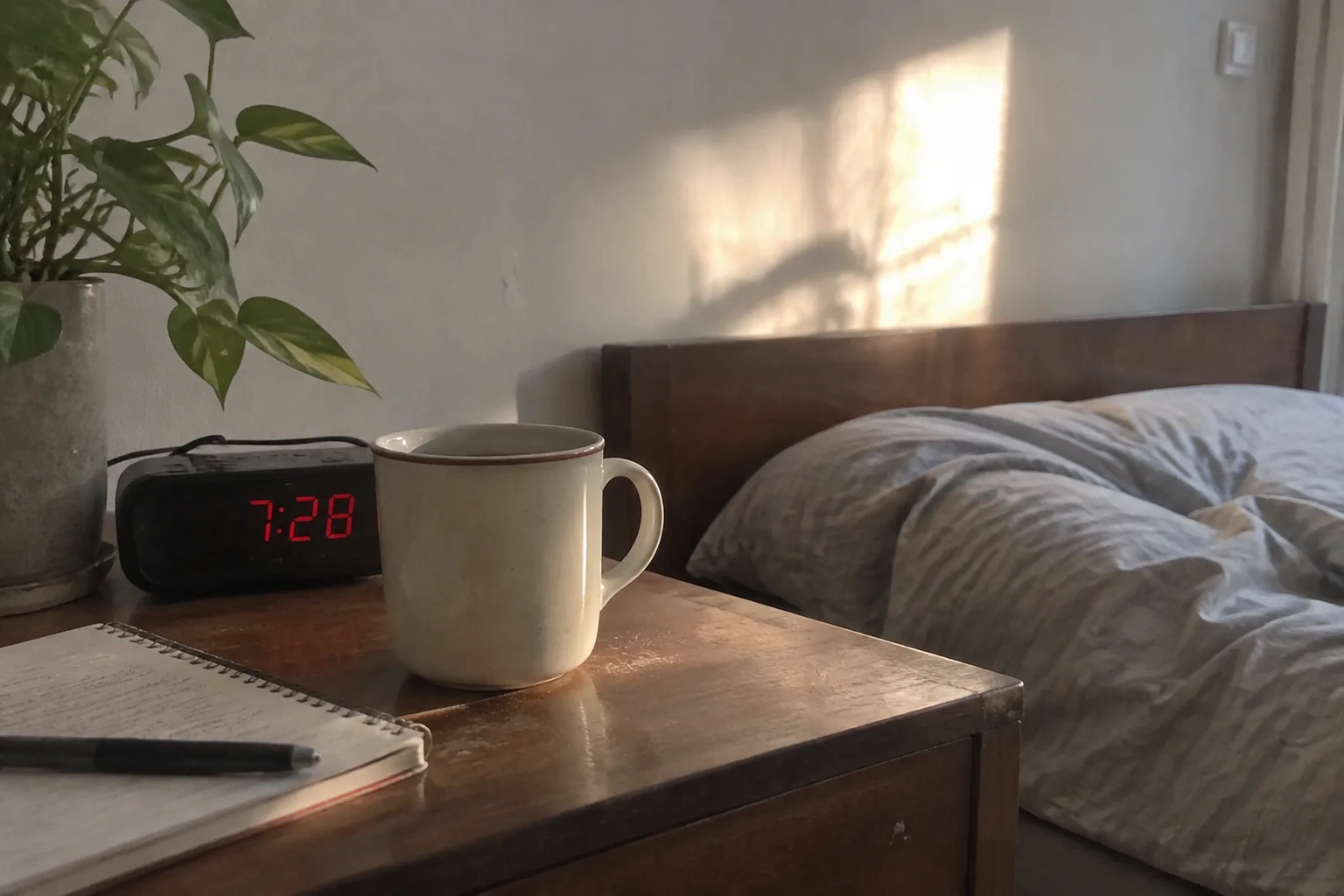






Cardiologists have spent decades telling patients to watch their blood pressure, their cholesterol, their weight, their salt intake. Almost none of them ask how the patient sleeps. That omission is starting to look like a real gap, because the evidence tying short or broken sleep to heart trouble has gotten hard to ignore. The relationship runs in both directions, and it is more mechanical than most people assume.
Consider what happens to a body during a single night of poor sleep. Blood pressure, which normally dips by roughly 10 to 20 percent during deep sleep, stays elevated instead. That non-dipping pattern shows up repeatedly in people with sleep apnea and in shift workers, and it tracks with higher cardiovascular risk over time. The heart never gets its overnight break.
The scale of the problem is not small. Roughly a third of adults report sleeping less than the recommended seven hours, and a large share of those with diagnosed hypertension also have untreated sleep apnea. The two conditions cluster together so reliably that some sleep clinics now screen every patient for high blood pressure as a matter of course.
What the Heart Does While the Body Is Still
Sleep is not a passive state. The sympathetic nervous system, the branch that governs fight-or-flight responses, quiets down. Heart rate falls. Blood vessels relax. Inflammatory markers that circulate during waking hours decline. This nightly shift appears to be part of how the cardiovascular system repairs itself, clearing out the ordinary wear of a day spent upright and stressed.
When sleep gets cut short, that repair window shrinks. A person who sleeps five hours a night instead of seven loses a meaningful chunk of the deep-sleep stage where much of this recovery happens. The body does not simply catch up on the weekend. The pattern of repeated short nights is what seems to matter, and it accumulates.
There is also the matter of blood sugar and appetite. Short sleep disrupts the hormones that regulate hunger and insulin sensitivity, which is one reason poor sleepers tend to eat more and gain weight. That weight gain then feeds back into blood pressure and vascular health. The loop is tight and self-reinforcing.
The Apnea Problem Hiding in Plain Sight
Obstructive sleep apnea deserves its own paragraph, because it is the most common sleep disorder with direct cardiac consequences and the most frequently missed. A person with apnea stops breathing repeatedly through the night, sometimes hundreds of times. Each pause triggers a small surge of adrenaline and a spike in blood pressure as the body fights to restart breathing. The sleeper often has no idea it is happening.
The classic profile is a loud snorer who wakes unrefreshed, but the condition shows up in thinner people and in women more often than the old stereotype suggests. Untreated apnea is associated with atrial fibrillation, resistant hypertension, and heart failure. The connection is strong enough that sleep specialists treat apnea as a cardiac risk factor in its own right, not a nuisance.
Treatment, usually with a CPAP machine or a mandibular advancement device, can lower blood pressure in people who have both apnea and hypertension. The effect is modest in some patients and substantial in others, and it tends to be largest in those who use the therapy consistently. The point is that the fix exists and is often left on the shelf.
Why Seven Hours Keeps Coming Up
The seven-to-nine hour range in public health guidance is not arbitrary. Large observational studies consistently find that people sleeping in that band have the lowest rates of cardiovascular events. The curve is U-shaped: both very short sleep and very long sleep associate with higher risk, though long sleep is often a marker of underlying illness rather than a cause.
Individual needs vary. Some people genuinely function well on six and a half hours; others need closer to nine. The practical test is how a person feels across a normal week without an alarm, and whether energy holds steady through the afternoon. A single night's number tells almost nothing. The pattern over months is what counts.
Sleep quality matters as much as duration. Eight hours of fragmented sleep, broken by apnea events or repeated waking, does not deliver the same cardiac benefit as eight hours of consolidated rest. A wearable that reports total sleep time without flagging awakenings can give a falsely reassuring picture.
The Blood Pressure Reading That Only Shows Up at Night
Standard blood pressure checks happen in a doctor's office, in the daytime, while the patient is awake. That misses the nocturnal dip entirely. A person can have normal daytime readings and still show a blunted nighttime decline, a pattern linked to higher risk of stroke and heart failure. Ambulatory monitors that cuff the arm every half hour for a full day catch this; routine office visits do not.
This is one reason sleep belongs in the cardiac conversation. A patient whose blood pressure looks controlled on paper may be having a very different night. Asking about sleep, and in some cases ordering an overnight study, closes a gap that daytime measurements leave open.
What Actually Moves the Needle
The interventions that help sleep and heart health at the same time are unglamorous. Keeping a consistent wake time, even on weekends, anchors the body clock more reliably than a consistent bedtime. Morning light exposure, ideally outdoors within an hour of waking, sets the timing of the whole system. Caffeine after early afternoon is a quiet saboteur for many people who believe they are immune to it.
Alcohol is the one people resist giving up. A drink before bed shortens the time to fall asleep, which feels helpful, then fragments the second half of the night and suppresses deep sleep. The net effect on cardiac recovery is negative even when the sleeper does not notice the disruption. Cutting back, or moving the last drink earlier in the evening, often improves sleep quality within a week or two.
For anyone who snores heavily, wakes with a dry mouth or headache, or feels sleepy during the day despite adequate time in bed, a conversation with a clinician about a sleep study is worth having. The barrier is low and the payoff, when apnea is found and treated, can be substantial for both sleep and the heart.
The Exercise Timing Trade-off
Exercise is one of the best things a person can do for the heart, and it also improves sleep. The two benefits reinforce each other. The wrinkle is timing. Vigorous workouts late in the evening leave some people wired and delay sleep onset, while others sleep fine. The practical move is to notice which camp one falls into and adjust, rather than abandoning evening exercise altogether.
A brisk walk after dinner, by contrast, tends to help. It lowers blood sugar, aids digestion, and nudges the body toward sleep without the adrenaline spike of a hard session. The cardiac payoff of regular movement is large enough that the timing question is a detail, not a reason to skip it.
A Bedroom Built for the Heart
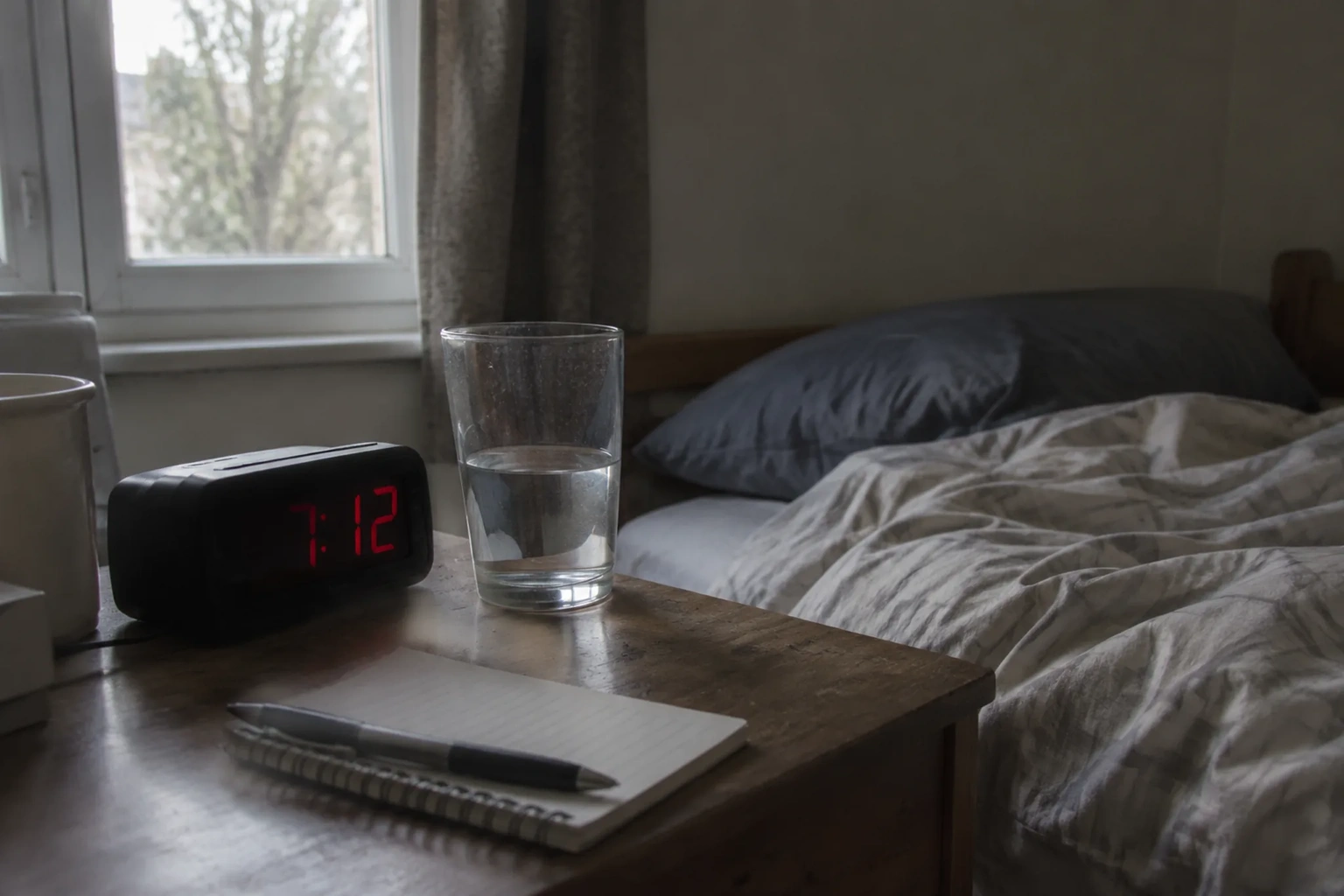
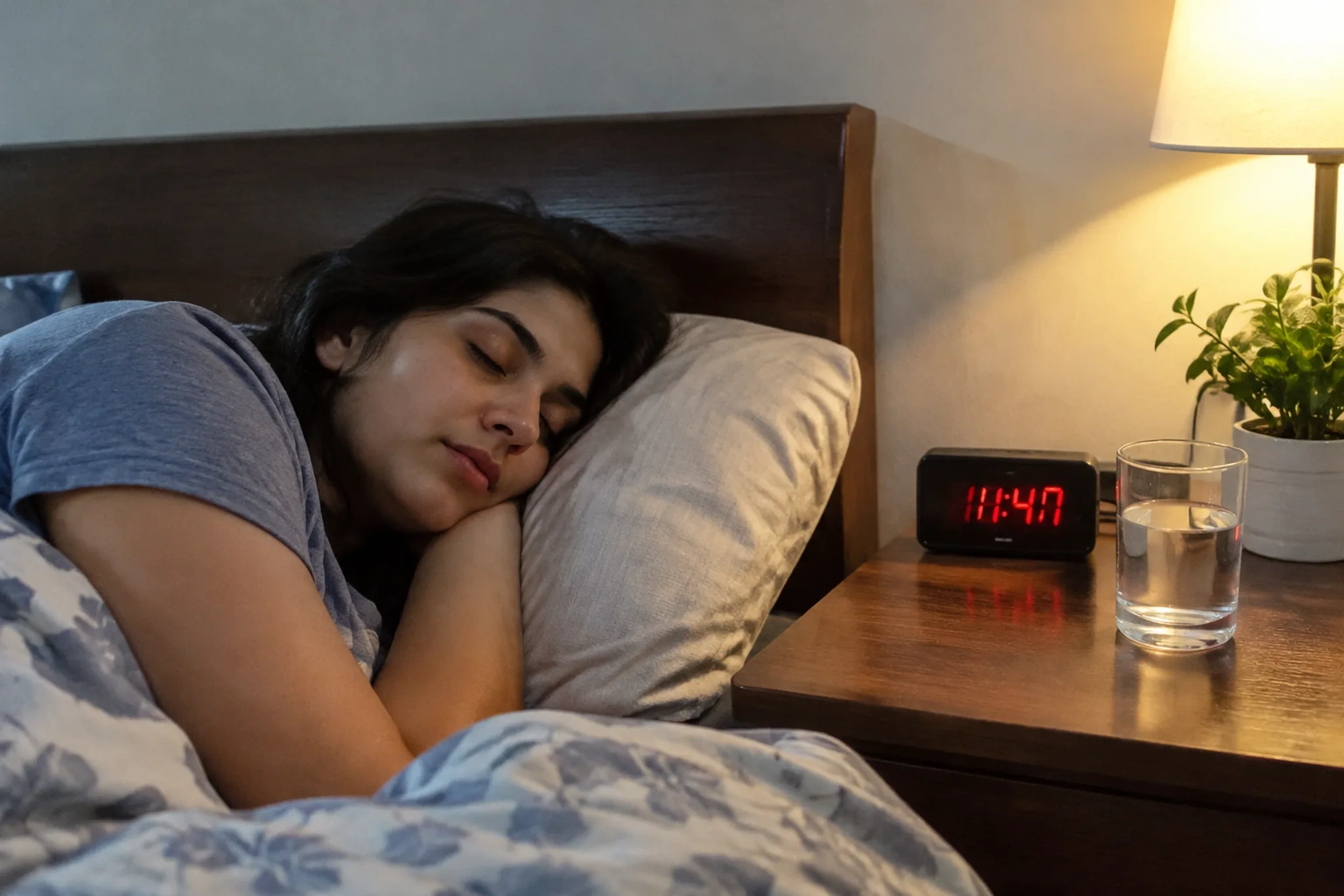
The physical environment of sleep is underrated. A room kept cool, around 65 to 68 degrees Fahrenheit, supports the drop in core body temperature that precedes deep sleep. Blackout curtains and a fan for white noise address light and sound, the two most common disruptors. A phone charging in another room removes the single largest source of late-night wakeups for most adults.
None of this is exotic. It is the ordinary furniture of a good night, and it costs little. The reason it belongs in a heart health routine is that the cardiovascular system does its recovery work in exactly this setting. A bedroom that fights sleep is a bedroom that quietly works against the heart.
The Conversation That Rarely Happens
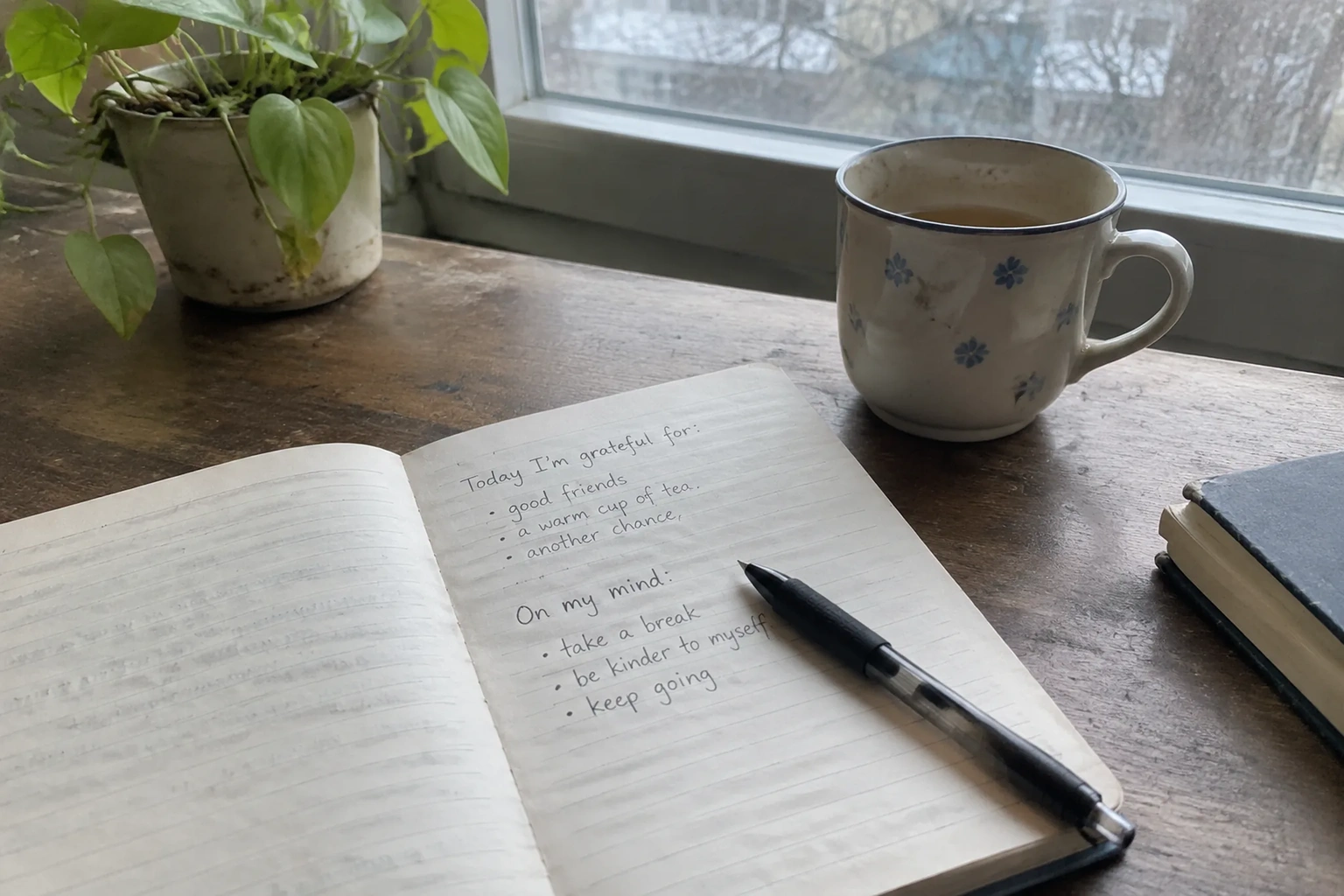
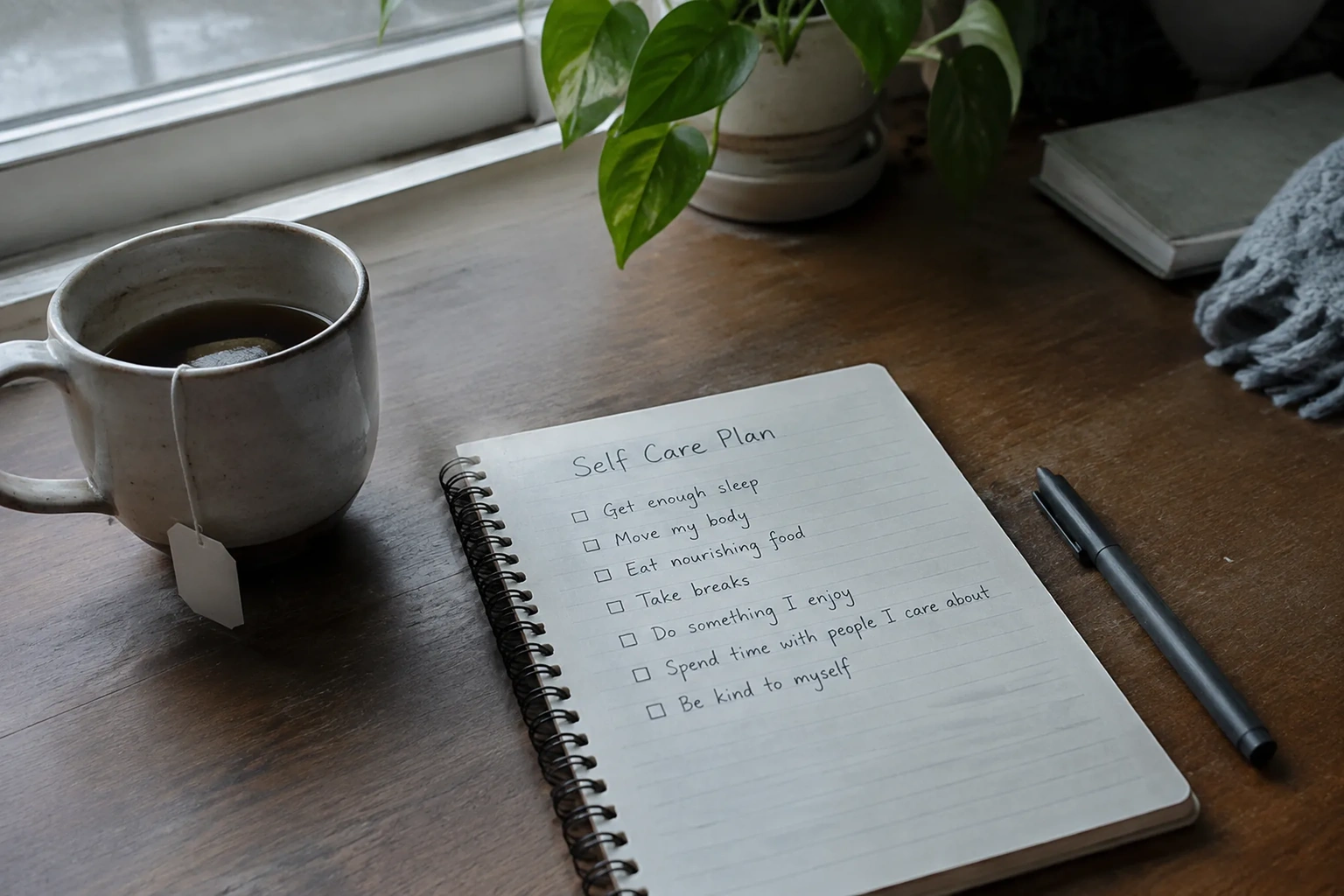
Ask a cardiology patient about diet and most can recite the rules. Ask about sleep and the answer is often a shrug, a joke about being busy, a vague sense that it is a luxury. That framing is the real obstacle. Sleep gets filed under lifestyle, under self-care, under something to fix once the important medical stuff is handled. The evidence does not support that ordering.
A heart health routine that tracks salt, steps, and statins while ignoring the seven hours in bed is missing a lever that sits right next to the ones already being pulled. The fix is often cheap, the measurement is simple, and the payoff shows up in the same numbers the cardiologist is already watching. The next office visit is a reasonable place to bring it up.